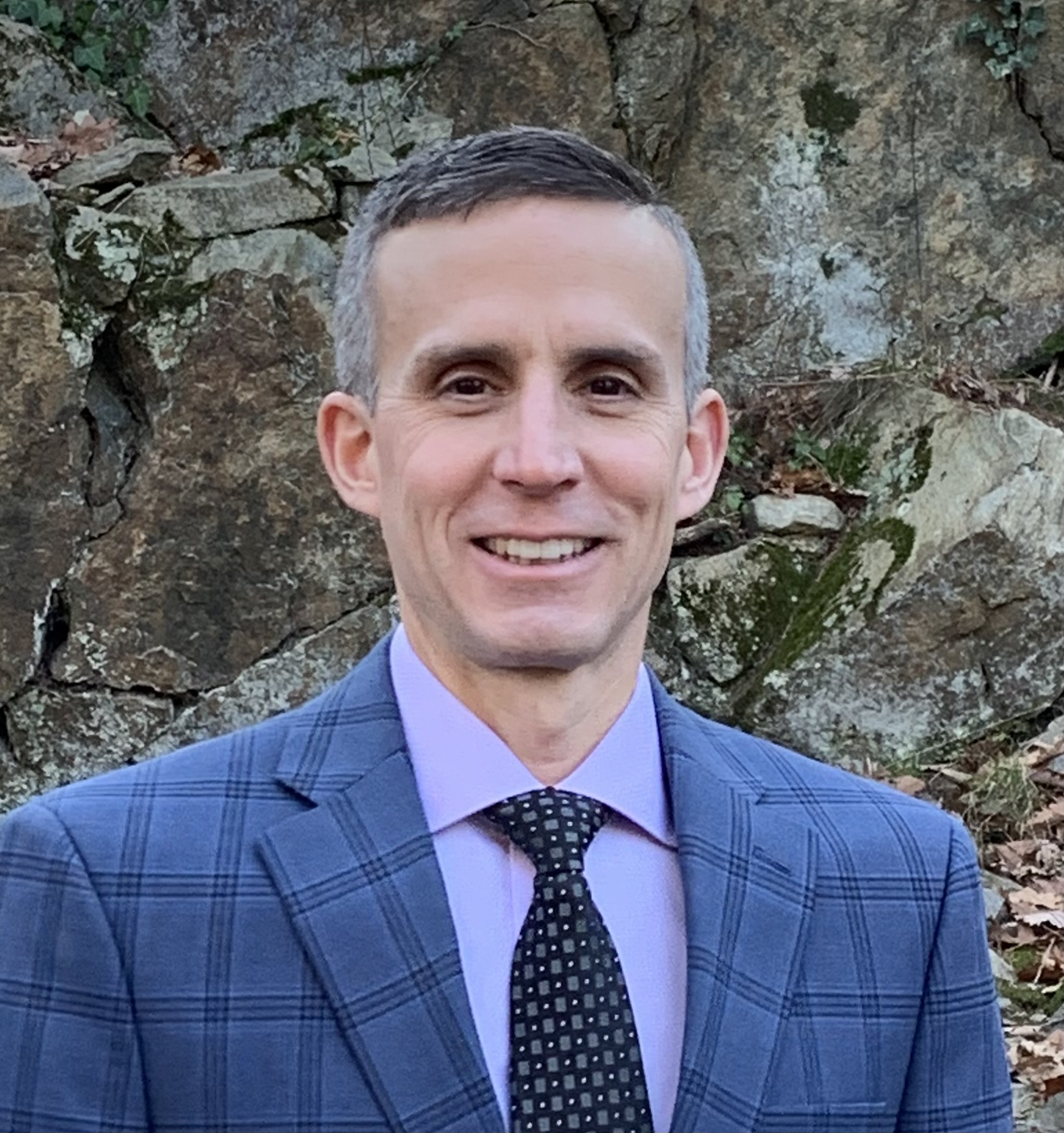
- 00:00 Mike Y
Mike Y:
And I, I've gotta tell you, some of the most impressive leaders that I've experienced in, in my life were people who were serving on that school board, it was all about getting information, and making allocation decisions so that the school district could execute the mission as they felt like they were charged by the community
- 00:38 Spencer
Spencer:
Aaron, here we are, man. We're back at it again, and I feel kind of overwhelmed today because of any of the, uh, episodes we've had, this one may show my ignorance more than any other. Colonel Retired Mike Yankovich with us today, we didn't know each other that well together as cadets. I don't remember many times we crossed each other's paths, but I can tell you this. When I showed up at West Point in 2004, to try to teach cadets, Mike was one of my go-to folks. and he was a year ahead of me, already teaching, he's done it. when I was confused about something, I would go to, Mike Yankovich 'cause I, I knew he was dependable, I knew it was rigorous. He's very persistent. He's trustworthy. he's very aware of what's going on around him. And he's, as we've just seen, very humble. Mike, you've always been an inspiration to me. We played ultimate Frisbee together. We played basketball together on the SOSH intramural teams, and Yanko was our guy, man. always the guy you want to have on your team. I was very disappointed, Mike, when I came back to West Point on that second rotation to see you over there in the math hallways. It messed me up.
- 01:45 Mike Y
Mike Y:
Yeah.
- 01:46 Spencer
Spencer:
Specifically messed me up for, um, intramurals. So having to fight Scaletti and Yankovich on the same team, they had some athletes, and I think the math department has done a great job over there. Skio and I are still, in touch, and, I miss him, greatly, just like you, Mike. So Mike's over at, um, Ramapo College now, vice president for operational and administrative integration. I know, Mike, you followed one of our mentors, Cindy Jeb, over there
- 02:11 Mike Y
Mike Y:
Yes.
- 02:12 Spencer
Spencer:
she's a wonderful lady
- 02:12 Mike Y
Mike Y:
Yep
- 02:13 Spencer
Spencer:
a great leader, so empathetic. Took care of me my whole life, but prior to joining Ramapo, and we can talk more about that, I know it's a great spot where you're at now, and I know you and your wife of, uh, 29 years and your three kids have enjoyed this transition from West Point down to Ramapo College. being a great husband and a great father and a great friend to many, before you went down to Ramapo, you were the, vice dean of operations at the academy, and I thought you did a tremendous job. academy professor at the math department. Prior, had served in SOSH the social science department as well, where I was watching you every day on how to teach, economics. prior to that, a tour in Afghanistan a guy who's always been at the right place and in the hardest spots. Graduated West Point in 1994 with a math degree, then went to Duke University, master's of public policy. And MIT a, PhD in economics, thank you so much, Mike, for joining us today. I can't imagine a better person than you, to represent these ideas and the strength of these ideas. So any opening comments from you, man? Again, thank you so much for joining us.
- 03:22 Mike Y
Mike Y:
Spencer, Aaron, thank you for having me. It's, a great opportunity to have a conversation with you. I enjoyed, both of you. Spencer, I enjoyed our time together, at the academy. two years back in Sosh, two thousand and four, two thousand and six, not only did we play sports together, but we won a couple of intramural championships together. We were very competitive. Silly to think about that, but, we were competitive. You always gotta win. You always gotta do your best. and then working with you at the academy as academy professors for the past, ten years or so of our... the end of our, end of our careers. I Think about the possibility of being on a podcast and, I'm a little bit nervous about this 'cause I don't think of myself as smart. I don't think of myself as a great leader. I think of people who get to be on podcasts as these amazing people who've accomplished great and amazing things with national recognition or global recognition. I don't know what I can offer. I'm gonna, I'm gonna do my best to have a, a good conversation here with y- with y'all and,
- 04:25 Spencer
Spencer:
I wanna talk about, if we can, just the person who is Mike Yankovich and what shaped, Mike. I do associate Mike with basketball and sports. and I went to University of North Carolina. Obviously Mike's got Duke in his history. He's already mentioned them already. There's the battle of the blues.
- 04:40 Aaron
Aaron:
Nice
- 04:41 Spencer
Spencer:
I know how important you were, Mike, on the field for all of us in these intramurals. And I know that sounds silly, but the things that happen on great teams, they're similar. the motivations, on great teams, they're all similar. Surrounding yourself with great people you had mentioned to me, there's stakeholders in your life, there's coaches, there's probably your parents. I really wanna just talk about some of the stakeholders in your life and, and how you ended up at West Point, and then how that kinda transitioned into the Army. who were your role models? What did they do that you so valued that made you such a great person as you
- 05:12 Mike Y
Mike Y:
There's a lot there in that question that we can, we can talk a lot. so l-let's,
- 05:16 Aaron
Aaron:
please
- 05:16 Mike Y
Mike Y:
yeah, let's talk about s-sports first. I think I was lucky to grow up in a community where we had really good youth coaches who were, what I would consider great, great leaders. there are some, some great leaders who go on to, to lead big companies and make lots of money and lead huge organizations and achieve fame and recognition, and I really appreciated the leaders in my life that just made their communities better. So I think about a guy like Larry Smoker, who was our middle school PE teacher, but then also my JV basketball coach. And I think about guys like Paul Gorsuch, who was my varsity basketball coach in high school, and Tim Miller, my freshman basketball coach, and also the coach of the cross-country teams. those, those guys were, competitive, hardworking, personable. You enjoyed being around them. but they liked to win. They liked to achieve. They liked to get things done. And they pushed us, they pushed us hard, you know. practice was long and hard, and, it was always asking you to do more than you thought you could at that sort of young age. I think a lot of people can identify with that, from their high school athletic experience, whether it's football or wrestling or basketball or soccer. Hopefully, everybody had the chance to have a coach that pushed them harder than they, thought they could. I think about those guys. They cared about their communities. They cared about their students. They cared about their families. And I always looked up to them because they were the type of people that I wanted to be. You know, they invested in their communities, and they were about winning. They were about excellence. You know, and they enjoyed it, too. it wasn't like they were, killing themselves to do these things. But, uh, the, the one story that I remember, that I like to think about is, um, Paul... This is probably back in, you know, back before people were doing video review. Now if, you know, my God, at youth sports level, people are, like, videotaping and scouting, you know, other teams and stuff. Paul Gorsuch was doing that at the varsity level in little podunk Sturgis, Michigan, rural area. he was kind of ahead of the curve in terms of scouting other teams, and he always gave us a scouting report about the team that we were gonna play, and then we would practice the other team's offense so that we would know it, and he would get us prepared for what type of defense we were gonna play at different points in the game. And that was phenomenal. Like, every game that we played, I always felt like I knew what the person I was gonna be guarding was gonna do. And there were a couple times where a couple of games, the other team would get into their offense and, you know, my buddy and I would, we'd, we'd be telling the people that we're guarding, "Oh yeah, now you're gonna go over here." and then the, the kid would be like, "Well, what are you talking about?" And it's 'cause Paul prepared us, right? And so excellence demands preparation, and I learned that from those guys, and I think I've carried that, that forward. this commitment to winning, this commitment to getting things done, this commitment to investing in the community wherever you are, the commitment to preparation. That if you wanna succeed at something, you have to prepare to succeed.
- 08:19 Spencer
Spencer:
I know of no better teammate, Aaron, than having Mike Yankovich on your team. I promise when I say that. were you like, "Hey, I wanna be an Army guy"? what attracted you to West Point?
- 08:29 Mike Y
Mike Y:
If, if I'm honest, Top Gun. Top, Top Gun, yeah.
- 08:33 Aaron
Aaron:
wrong branch.
- 08:35 Mike Y
Mike Y:
Th-I know, wrong branch, but I didn't qualify as a, a pilot based on my pre-commissioning physical, I thought West Point had better-looking uniforms than the Air Force Academy, and I was never going to the Naval Academy 'cause it involved water, and I don't, I don't like to swim. So, so West Point
- 08:50 Aaron
Aaron:
it was
- 08:51 Mike Y
Mike Y:
I got, I got turned on to the academies because of Top Gun, and I went to West Point 'cause they had better uniforms than the others.
- 08:56 Spencer
Spencer:
Nice,
- 08:57 Aaron
Aaron:
All the right reasons
- 08:58 Mike Y
Mike Y:
All, all the right reasons. No, come on. I, I was certainly a patriotic kid and come from a lower middle-class family, a family of five. Uh, my dad never made more than $50,000 in any one, one year of his life. Grandma lived with us. Mom mainly was stayed at home taking care of the family but worked a little bit. But y- I never wanted for anything as a kid, but looking back, like, we didn't have anything. You know, we never went out to eat. I got one new pair of shoes a year. so going somewhere where education was gonna be paid for and where I had a guaranteed job after graduation was pretty attractive to a young kid like me, who was also competitive and athletic, and I liked the books, and I had a, a little bit of a patriotic bent. So it was kind of the perfect fit for me
- 09:42 Spencer
Spencer:
Yeah, yeah, yeah.
- 09:43 Aaron
Aaron:
Well, it's good for the Army too, right?
- 09:45 Spencer
Spencer:
Yeah.
- 09:45 Aaron
Aaron:
that's a win
- 09:46 Mike Y
Mike Y:
Yeah
- 09:47 Spencer
Spencer:
Absolutely. So Aaron, the one thing I did know about Yankovich back in the day when I was a cadet, and he's a year ahead of me, is that they used to play this intramural basketball all the time. Now, Mike, you were in North Area playing some intramural basketball
- 09:59 Mike Y
Mike Y:
yeah. Any chance I could-- If I ever took a break at West Point, that was my release to go play pickup or go up to the, up to Christl and, and play up there or watch the guys play. Yeah.
- 10:09 Spencer
Spencer:
And it existed right out of my window, and I went down there a little bit. So I got to know Mike as a friend later in life, 2004-ish for me. But I knew his skill on the basketball court from North Area and from just being pickup basketball. Ralph Nacey, I don't know if you remember Ralph Nacey, but Clint Watts
- 10:26 Mike Y
Mike Y:
Yep. Yep. Yep
- 10:27 Spencer
Spencer:
out there. So that was the point guard you wanted on your team. Mike Yankovich, point guard you want on your team. So, um yeah.
- 10:33 Mike Y
Mike Y:
It was lot of fun. It's a way to stay in shape. You get to s- get to keep your competitive juices flowing. it's low-level basketball. It, it's not great basketball, but it, I have a lot of fun. It keeps me in shape, and, and I like to win, you know. Like, when you play, you gotta play to win, so Nice. Nice. So Mike taught a course when we were first together at West Point, when you were teaching in econ, and, it was called Public Finance. So every kid used to sign up for this 'cause they thought it was a finance course, That's right.
- 10:58 Spencer
Spencer:
and I was the economics counselor
- 10:59 Mike Y
Mike Y:
Yep
- 11:00 Spencer
Spencer:
and it couldn't be further from the finance course. it was talking about public goods and how we could do better, in making community outcomes, honestly. So Mike, kn- knowing your history and knowing your, passion for that class, and now understanding some of your, interests now, that makes all the sense in the world to me. 'Cause in my head there's some bit of, um... We want to be competitive, we wanna be cooperative, and we have to keep in our head, in this production function, what are we allocating towards, what are the outcomes that we're getting? I think that course does a good job of trying to shape how econ thinks about public and private goods. And I'm just gonna throw it out there to one of you guys, because we have two great economists with us. how do you set up the public versus private, goods scenario for, the audience out there?
- 11:49 Mike Y
Mike Y:
I guess I can sort of just tee this up a little bit. one of the, hardest things, I think, to portray to people, You know, you give somebody just enough economics to feel confident, but they don't know quite what they don't know. and so, you read enough Milton Friedman and you think everything should be a private sector market, and there's nothing better than the market in all things and everywhere. and as an economist, I, I wish that were true, but it's, it's not. There are certain scenarios where the free market's not going to do well at all, and that's where we end up having the public sector step in. And so I think just one of the things that's important for people to remember is that market's sort of like the idealized version of how information and things can get, exchanged, and everybody sort of ends up at an appropriate equilibrium. And so I think one of the big goals in leadership economics is to help people think about how they can move more towards that equilibrium in a way. I like to start a conversation about p-the public sector by recognizing that they're there to fill in a gap that the free market is not going to do a good job at. Mike, you, you do have some experience, I'd say, trying to manage, organizations within the public sector too. Yeah, I think public finance at its essence starts from the place of understanding market failures. And so there's a whole bunch of different categories of market failure. o-one example would be a public good. there's pure public goods, and there's other types of public goods. But essentially, a public good, the essence of it from an economic theory perspective is once the item is provided, the marginal cost of consuming an additional unit is essentially zero, and anybody can consume it. So think about national defense as the classic pure public good in the sense that once the nation provides for, national defense, it creates a military and the benefits of what the military does around the, around the world in terms of, keeping, shipping lanes open, in terms of enforcing, policies, in terms of preventing attacks on the country. Like, we all benefit from that. And once you provide it to cover somebody else, it costs z-zero additional, right? there's a huge cost to provide for the national defense, but once it's provided for, it doesn't matter whether you have one person in the country or three hundred and fifty million people in the country. the cost to each individual is, essentially zero for an additional unit, right? So the marginal cost of an additional unit of consumption is zero. And once it's provided, it's, it's free to everybody. You can probably think of some historical ins-incidents in history, when, there were a lot of little, fiefdoms and kingdoms around the world where, maybe a lord, has his property, and he establishes a little bit of a constabulary to protect his domain. but again, it's still a public good there. w-whatever that, level of security is being provided. and it's probably a little bit easier for, for them to price it, but it's a very difficult concept to price it. it's not a, a market type of thing I mean, there's a lot of billionaires out there, and I think there's even a trillionaire, right, in the world right now. I, I don't even know that the trillionaire could, could afford to, set the right price so that's one. Another market failure is an externality. So you can think of both positive and negative externalities where it's not quite a public good, the issue with an externality is that the, price in the marketplace for a private exchange between one individual and another individual or one company and another company or an individual and a company doesn't capture all of the costs or the benefits associated with providing that particular product. we all have worked in education. there's a, strong belief that education produces a lot of positive externalities. the cost of tuition or the cost of providing an education to an individual for their private consumption is, let's say, X, but the value to society is gonna be, uh, X plus something else, right? there's an individual benefit of getting the education in terms of your increased earning potential, but then there's also gonna be benefits that accrue to society from you getting educated. You're a healthier person. You are more likely to participate in a democratic society. You generally, tend to go to the, the doctor more and eat better and, take care of yourself. you can read, you can participate in, debates and, policy types of things, discussions. it's a positive externality. There's positive benefits that accrue to society that are above and beyond what the private market would price into the cost of, of that. So if we just purely let people go out and consume their own education, they would consume education up to the point where it provided them the type of return that they wanted to see in their human capital investment. negative externalities, work a little bit differently. So the classic negative externality that typically gets studied first in a, public finance course would be pollution, where, the cost of a gallon of gasoline, right here in Mahwah, New Jersey, it's about four dollars and forty-five cents per gallon. that's the, the private cost, between me and the person who's pumping the gas into, my car 'cause in New Jersey, somebody pumps for me New Jersey is one of the few states for that, that happens. but, there's a belief that,consuming, gasoline is gonna produce air pollution and other pollution-type things that's gonna affect people's health, and then it's gonna be more expensive to take care of them, from a medical standpoint. So our consumption of things like gasoline produces costs on society that aren't taken into a-account with, private transaction in a free market
- 17:18 Spencer
Spencer:
Yeah.
- 17:19 Aaron
Aaron:
one of the things that I think is also unique or I guess interesting about what you were saying here is that higher education itself also is, is a weird mix between a private good and a public good
- 17:29 Mike Y
Mike Y:
Yes
- 17:30 Aaron
Aaron:
And, you know, a lot of the discussion right now about education is very centered on what does it do for me as an individual? Like, what's the value of this for me? What kind of a job is it gonna give me relative to how much it's gonna cost me? And that seems like an appropriate way to evaluate whether or not you should do it. But as a society, if it's valuable for us to have more people go to college, reducing the cost for people seems appropriate. so I guess, you know, having taught all this about the, public economics and these public goods, now actually being in yet another organization that is there to provide these public goods, what are some of the, challenges you would say in trying to convince people that, this is benefit for each individual, but also maintaining your value, for society at large?
- 18:17 Mike Y
Mike Y:
Right. Right. Yeah. So ju-just back to the theory a little bit. So with a positive externality, we, we generally think education produces positive externalities. If left to just a purely free market, the theoretical prediction is that you would underproduce. And so the,solution, as you alluded to, Aaron, is to subsidize education so that there's, more production of it or more consumption of education than would otherwise take place if it were strictly a private decision. I think in the present day, what, we struggle with here at Ramapo College and everywhere is people really are questioning the value proposition of education, and certainly they are looking at it from a, uh... It's feels like there's a little bit more of a trend where people are looking at it from a purely, you know, individualistic perspective. How is this gonna benefit me? Which I think they should. if you do an evaluation of college going nobody's gonna say, "I'm going to college because I want to be a better citizen." That, that may be part of some people's calculation, right? It was sort of part of my calculation in going to West Point. But in the end, my choice to go to West Point way back in the day, it was informed by patriotism. It was informed by some sense of, giving back to society. But it was really informed by, "This is my way out of a really poor rural community in, Michigan." it was my opportunity to seek, You know, a, a better living than, what my parents had, to get educated. So I, I absolutely think that that has to be part of the individual's choice. but public finance and economists and others would say, we gotta step back, and we gotta look at this from a societal perspective, and we've gotta understand what the value proposition of education is." And it-- I think we've lost the bubble writ large across higher ed in the sense that, you know... I, I think costs have really escalated, and I think a lot of the costs have escalated, maybe in part because, we've allowed other things to enter like, higher education has, tried to fill the gap in so many areas and, I just wonder if, we really need to just get back to basic fundamentals and really focus on the, the reading, writing, learning, and acculturation that takes place in higher ed. I feel like higher ed sometimes is trying to fill too many gaps, and people are questioning, d-do we really need, dorms that are, you know, Taj Mahals? Do we really need, fitness centers that have wave pools and, lazy rivers in them? I ask you to try to find a college tour where they're not gonna take you into the gym and try to impress you with how good their gym is, and they've got this beautiful climbing wall, and they've got a lazy river You know, and then you go into the dining hall, and the dining hall is filled with eighteen different choices, and all of that costs money, and it's a little bit of an arms race where all the colleges are competing for a limited number of students, and the, and the demographics are changing. You know, we've, we've been through the baby boom, and we've been through the baby boom kids, and now we're entering a period where the number of high school graduates on an absolute basis is gonna be decreasing over the next fifteen to twenty years as demographers predict. And so
- 21:21 Spencer
Spencer:
Yeah
- 21:21 Mike Y
Mike Y:
all of the colleges are competing for more and more students. And to compete for more and more students, they gotta have nicer buildings. They gotta have nicer athletic facilities. They gotta have nicer residence facilities. They've gotta, spend money on this program or that program It's not just about providing a great education. It's about providing a, a five-star experience. And so there's been this cost escalation. And so the individual who's evaluating this sees higher and higher costs that have been escalating and, and continue to escalate. I think we're just getting at the point where the individuals are questioning the value proposition, giving this high costs and, some of the conversations about whether or not colleges are, focusing too much on ancillary programs as opposed to, the core programs.
- 22:05 Aaron
Aaron:
one of the things that's hard about this is that, you're clearly diverting a bunch of resources towards these flashy kind of like exciting things to show kids when they're touring. I'm curious, what return on investment they're getting out of that, and if it's a short run sacrifice to try to soup things up, but at the long run cost of, maybe not having sufficient funds to pay for a higher quality staff or, professors. I think it's very difficult to know how you're supposed to entice students to come strictly based off the merits of your professors because, that sort of quality takes decades to establish a reputation. And so there's a very difficult trade-off here about, you know, we wanna look like we're on the right trajectory. W- we wanna look like we're growing and exciting.
- 22:51 Mike Y
Mike Y:
but
- 22:51 Aaron
Aaron:
at the same time, you're diverting resources away from being able to actually, fulfill that goal, you're not investing as much in your, in your professors anymore.
- 23:00 Mike Y
Mike Y:
Yeah. Just thinking about the marginal analysis, what we, particularly at a, public liberal arts college like Ramapo College, every dollar matters. every dollar that we spend, we evaluate marginal benefit versus marginal cost. What's gonna be the payoff of the next, dollar spent? and a lot of times that's focused on admission and retention and sometimes I wish instead of spending, you know, a few thousand dollars so that we can have a fancy open house, it would be great if we could bolster a lab facility with that money, or replace the electrical feeder cables that run underneath the campus because y-y-you can't be a college without electrons and without a network and that, that stuff costs money. And so when you have to divert money towards a-admissions, type stuff, it's important to market in admissions and I'm making a huge plug for Ramapo College. I think we're doing our best to find the right balance between marketing and admissions and investing in education and the long-term health of the campus. and I wanna reassure everybody that we are looking at every single dollar that gets spent, and we evaluate whether or not it's gonna matter and it's gonna support the mission of the college
- 24:13 Spencer
Spencer:
Aaron, can I go to a high hover real quick?
- 24:16 Aaron
Aaron:
Sure
- 24:16 Spencer
Spencer:
I'm gonna peel it back. We gotta come back to exactly what Mike was just saying. You described, public goods as very difficult. Mike has re- reiterated again, coming back to the marginal analysis problem. why do private markets work so well? In public markets, If you did the old quad chart, that public market, you know, it's non-rival, it's non-excludable. And, that's a different type of good, but the community still needs it. and in my head, I feel like there's a more cooperative, uh, need there in that quadrant, right? But I wanna go back to the private good, the rivalry and the excludability in a private market where there's pure competition. and the way I'm thinking about that is in our framework, in the leadership economics framework of allocation, the allocations are driven by information and motivation, prices are an incentive wrapped up in a signal. that idea of having good information and having good measurable outcomes in the marginal analysis make it less difficult in allocating private goods. What I think the audience needs to know is that when we talk about public goods, when it's non-rival and non-excludable, but still very needed, like national defense or many other things, the pricing mechanism gets a little, challenged, right? 'Cause the information gets harder. So on a theoretical sense, I believe that is also true in terms of, having great teams, right? In the public goods block, Mike, if we had a good team, we had our SOSH team back in the day of instructors, or any team you've ever been on, you had good information locally, but it didn't transmit to everybody everywhere. So the cooperative sense could be done through this currency of commitment I've called it, pricing mechanism in organizations as a currency of commitment. I'm seeing your commitment. I'm local to it. I trust you. That same mechanism, in the competitive side can be seen with just pure dollars, not the currency of commitment, pure dollars, like competitively. So that difference I think is hard, and I think specifically in education where it's hard to measure the outcomes, what does the production function go into, and then how we allocate and how we execute it. you know, Aaron and I have talked about this before not in higher education, but in public education at the lower levels, is that when we put money towards something, we wanna see a return on investment. I think we had said that earlier. So then when you allocate it, you have to develop a metric to get a return on investment, so it becomes confusing and it skews the incentive structures that are out there. It's not as clean as the pricing mechanism in a private good. The public good is not. What we have argued is that economics as a core discipline does a pretty good job in helping you with the allocation decision. So how do we make better information in the public goods block? How do we make better information so we're not skewing incentives, you guys are geniuses, and I'm just trying to get us to a high hover where we look at the theory of it. how do we get to better information?
- 27:19 Mike Y
Mike Y:
Great, great question. I'll go first and then Aaron you go.
- 27:22 Spencer
Spencer:
Yeah.
- 27:23 Mike Y
Mike Y:
I'm really curious to s-hear what, what Aaron has to say. I mean, I think you raised some really good points about metrics of outcomes and, sharing that information, there have been a lot of moves over the past ten or fifteen years in reporting requirements for colleges to report on things like six-year graduation rates, h-what's the average income for your graduates ten years after graduation? what are you doing in the first year after you graduate? Are you employed? Are you going to graduate school? Are you unemployed? Are you s-searching for a job? So there's been some standardization of those metrics that colleges have to report about outcomes. th-like most things, I think schools have figured out little ways to game these. Anytime there's numbers involved and statistics, people play some, games. But when you're doing your homework about a college to go to, you can find out these things, and I look back at my kids' college-going experiences, those were things that I asked my, my kids to look at. What's the likelihood that you're gonna graduate from this school if you go there? What's the likelihood that you're gonna be employed one year after you go there? what can you expect as an average income after you graduate from there? And how much debt are you gonna take away from there? So those were things that, that I talked about with my kids, and I think those are things that we encourage people to talk about when they're considering coming to Ramapo or consider going to somewhere else, And so I, I think a lot of colleges try to compete on those out-outcome metrics, and it's difficult to communicate that information. w-we just live i-in this modern world where Everybody's a journalist, and, everybody can publish via social media. there's just a lot of opportunities for misinformation. And then I think a lot of people engage in data manipulation to, to skew things one way or the other. So it-- I think
- 29:19 Spencer
Spencer:
you
- 29:19 Mike Y
Mike Y:
I think the information challenge is really difficult. I think there's good metrics out there, and I think those metrics are reasonable from the personal decision about where to go to college. Now, what we're not measuring from a metric point, which is much more difficult to measure, is how do we truly measure the value of college-going to the society? And those are really difficult metrics.
- 29:41 Aaron
Aaron:
That positive externality bit,
- 29:42 Mike Y
Mike Y:
Yeah.
- 29:42 Aaron
Aaron:
I think that that's that's a big... 'cause if you, if you knew that exactly, it would be totally feasible to price that into taxes, right? it would make it very clear exactly how much money the federal government should subsidize, higher education. you said that anybody can be a journalist, and they'll let anybody start a podcast. So, you know, here we are. you know, the college scorecard I think is, well, it was a great way of trying to get more information that was standardized, across the universities. One of the hard things that you brought up, though, is that the minute you start to provide a specific type of information is the minute that people are gonna try to sort of finagle it. I mean, this just brings me back to that conversation we had, Spencer, about, character was the one deal breaker. there's this other bit of information that you need to make these decisions, especially in these sectors that aren't being, managed by a, by a market. It's not like buying oils commodities. You know? Like, this is a very complicated multidimensional decision that you have to make, and the information that you're getting about it is also very incomplete, and how you're comparing across schools is also gonna be along complicated dimensions. And so when I think about the information required for this sort of a decision, how do you actually convey that information? How do you, like, convince people that this is worth their time? and I think, you can start with the basics of, what are the metrics that we can use, like the College Scorecard. I don't have any other good answers for this other than either you have to establish some metrics that you're gonna use, or you have to find some way of actually interviewing people a lot, right? To get, like, this more personable information out of them. But,
- 31:12 Mike Y
Mike Y:
But E-E-Aaron, even interviews are gonna be problematic, right? Because y-you're gonna ask-- W-Who is gonna say, "No, I made the wrong college choice"? 'cause then that makes them look, it makes them look foolish. Everybody's gonna say, "No, I had a great college ex..." There-- I mean, there's a handful of people who are gonna say that they had a bad college experience, but it's probably gonna be because they had too much debt, and they, you know, they didn't get a job or, or whatever on the oth- on the, on the other side. But for the most part, even interviews are gonna be challenging because people are, biased to, to repo-report good things about their own personal choices.
- 31:41 Spencer
Spencer:
Yeah
- 31:42 Aaron
Aaron:
and even if the information's available, that doesn't mean people are gonna use it. And I think that this is especially true. Again, it's not just producing good information, it's about being able to digest it. And when you talk about, social media and all the ways different people are able to transmit information, and some of it's even misinformation, the point here is that, 20 years ago, there was a huge, you know, craze started about gathering data as a, as a company and doing data-centric decisions. And while that, that is a good approach, I think generally speaking, we're kinda getting into a new weirder kind of position where there's a lot of information. With AI, you can actually aggregate all sorts of information, but there's also all the information available online. and so there's, there's a little bit of an additional education needed about how do you properly consume information. And if you're trying to make this decision, it's on you to figure out what are the things that are gonna matter. So I, I think that as soon as you step out of a perfect market, you're going to have this issue on both sides of, how you convey the appropriate amount of information and how you actually, convince people to digest it correctly. and if I'm being honest, Spencer, I feel like I have to just plug currency of commitment again here, I mean, I can imagine if I go to visit a college campus and they've put all this money into these super fancy facilities, I know personally, that wouldn't have been terribly attractive to me, you know, I was interested in actually knowing, who are the heavy hitters here? Do you guys have some real scholars in whatever field I was gonna do in? I think it's just a difficult problem to be able to actually show that you're committed to a student's success. And if you can actually demonstrate to them that people were really bending over backwards, or there were people who were willing to make sacrifices to make sure, that students succeeded, that they graduated when they were a borderline case or, that they actually went the extra mile to find them a job or an internship. to me, that seems like a lot of that softer information that's not gonna show up on the college scorecard. maybe that's sort of what we're getting at, Spencer, is that
- 33:26 Spencer
Spencer:
Yeah
- 33:27 Aaron
Aaron:
conveying that information shows you have to show the sacrifice
- 33:29 Mike Y
Mike Y:
Yeah. It, it's reputational. I mean, I, I think, you know, particularly at Ramapo College, we're competing... There's probably about 10 or 15 schools in the, Southern New York, Eastern Pennsylvania, throughout New Jersey that a lot of the kids are considering, and, a lot of it is reputational. if they had a, a cousin or a high school coach or somebody says, "Hey, I went to Ramapo," or, "My kid went to Ramapo and we had a great experience," I think that carries more weight than the college scorecard
- 34:00 Spencer
Spencer:
Yeah. But that, again, it's just information, and I think that's the big difference, and I was thinking is that in a private market, when we think we're allocating whatever, capital investments to get to the thing that we like, the marginal benefit has to be greater than the marginal cost. I mean, the marginal cost can go up. As long as somebody wants it and the marginal benefit exceeds the marginal cost, then we're gonna make an allocation, but the information gets harder in public goods. and I think a lot of our lives where the most, angst is found is towards a, a collective kind of cooperative uh, public good. and how much is the question. how much are we giving to our national defense, and what are the outcomes? How much are we giving to educa- at the local level, too, like right here in the parish, in Ascension Parish. or any county you're in out there, the public goods, the information is, is not as good as a dollar price, opening a CNBC in the morning and watching the markets go. If it's a commodity everybody has a theory, but everybody's putting real dollars behind it. We've always said currency of commitment. I've been trying to sell this to Aaron for a good bit, Yanko. I'm winning the fight when he
- 35:09 Aaron
Aaron:
I think you're at about like 75%, you know
- 35:13 Spencer
Spencer:
but I think the point is, and he just said the reputation matters, and then the source matters. So if a good coach you truly trust says, "Hey man, you ought to go to Ramapo," like that's information, and that information, will shape how you make your next allocation decision. that's the important part of it. In building teams, I mean, you were an engineer officer, Yanko, and I don't know if you ever saw in your teams you led as an engineer, if you treated it like a market, um, how did you get to the best information in getting folks to commit or to allocate their time, talent, and effort to the outcome you presented, And it might have been easier. I was an enlisted engineer. I was in a horizontal platoon. It was pretty easy. We moved dirt,
- 35:52 Mike Y
Mike Y:
Yeah
- 35:52 Spencer
Spencer:
And, boss said, "We need a berm over there." The outcome was pretty easy. Now, how are we gonna do that? We could get shovels and wheelbarrows, but guess what? We got a D7 dozer. So, you know, what, what are we gonna do to shape the outcome we want, and can we count on each other? the capital investments are easy, but can we count on each other as a team? All the way back to, the teams that you and I shared intramurals on. We trust each other to do their part. Like,
- 36:17 Mike Y
Mike Y:
to
- 36:17 Spencer
Spencer:
me, that's where public finance and the public goods, we have to believe in cooperating, and we have to believe in each other, trust, commitment, reputation, getting to better information to get to the right outcomes. And w- when that fails, boy, then we got real problems, 'cause then we're misallocating things, and we're giving away free toasters so that you join my bank, So i- we've become ancillary to the outcome we wanted, and we've skewed the incentive structures. in today's society, I think we have to lean on some cooperation, and then that cooperation and the allocation of our time, talents, and effort from local to national level, we have to agree on what the outcome is, and then that's become kind of the hard
- 36:59 Mike Y
Mike Y:
part Yeah. The, the because
- 37:00 Spencer
Spencer:
the outcome is going to the drive the allocation.
- 37:02 Mike Y
Mike Y:
it's, it's very difficult, but like in, in gendering conversation about this, you know, if we can get people to come to the table as scientists rather than... I'm sorry to make this reference. we had to do this as part of a professional development exercise here at Ramapo College, read Adam Grant's "Think Again," and he talks about,
- 37:18 Spencer
Spencer:
Oh, yeah
- 37:19 Mike Y
Mike Y:
talks about preachers, politicians, and, what's the other one? Prosecutors and scientists, right? Pre-preachers say, "I'm right." a prosecutor says, "You're wrong." A politician says, "We're right, and they're wrong." And a scientist says, "I might be wrong," right? A scientist is curious. A scientist is, after the truth. A scientist hypothesizes about what the truth is and then goes out to seek evidence to test whether or not his, his theory is, is right or not. And he's willing to engage in a conversation and, do a little bit of give and take, and he's willing to change his view on something. He's not anchored to a particular viewpoint. I think when it comes to discussions about, the provision of public goods and whether or not we should subsidize certain activities or penalize other ac-activities because of the positive or negative externalities that are produced from the consumption of those things, we have to approach these conversations as scientists, you know, and, and be, be willing to be wrong about our, our preconceived views and listen to updated evidence and information
- 38:22 Spencer
Spencer:
that's a sign of his humility, Aaron. willing to look in the mirror, willing to accept the facts. It's, not always common. but I appreciate that,
- 38:30 Aaron
Aaron:
so, so my dissertation was all about, teachers in the K-12 sphere,
- 38:35 Mike Y
Mike Y:
and
- 38:35 Aaron
Aaron:
in fact,
- 38:36 Mike Y
Mike Y:
Very good work. Very good work, by the way. Yeah
- 38:38 Aaron
Aaron:
Oh, thanks. I, I don't know if you've ever read it. You must not have if you're saying that
- 38:41 Mike Y
Mike Y:
Well I, I scanned a couple this week, so yes
- 38:45 Aaron
Aaron:
my wife she's gone, back into teaching. She does special education. This is really pertinent. I wouldn't normally bring, bring up her career, but, she's got a classroom of eight kids, you know, and their grades between kindergarten and second grade. most of them are non-verbal. she and, two or three other adults in this classroom are always there trying to really teach these kids something. And, I just can't,even convey the amount of effort it takes, the amount of patience from being stabbed with a pencil to kicked and, you know. But then, there's a lot of, joy that comes out of it too in the end. But I, I guess my point is that that work is so invisible to most people. Most people have no idea what's going on, you know, for all these kids out there whose parents are, are struggling to actually understand how they're supposed to teach these kids.
- 39:35 Spencer
Spencer:
Yeah
- 39:36 Aaron
Aaron:
so that's like, that's one of these public goods that there's not even a really clear understanding of what's going on, what people are doing. And because of that, like, it's, it is rather underfunded. I mean, we spend a ton of money on this stuff, but it's still just not enough. I'm looking around at the resources they have. and so I feel like this happens i-in a lot of these places where people feel strongly about where there's just this very quiet, good that people are making, and it's very difficult to convince society that that's probably more important
- 40:05 Mike Y
Mike Y:
than
- 40:05 Aaron
Aaron:
improvements to the community pool, which I love. You know what I mean? But, it's a very difficult thing to convince a democracy of the different trade-offs,
- 40:15 Spencer
Spencer:
Mm-hmm.
- 40:15 Aaron
Aaron:
Particularly when it comes to these sorts of, public goods. I wouldn't have planned on taking it in this direction, but in my class we recently talked about preference aggregation. And so if you have preferences across a whole slew of different people, how do you actually take their preferences and aggregate them up? 'Cause again, the free market's gonna do a fantastic job of aggregating and pricing out everybody's preferences. That's why it's so, useful. but, we'll say this over and over again, that's rarely the case, and particularly I think in education where, the, people may have different preferences for how much of it we provide publicly. You know, if you've got a lot of resources and you can afford to send your kids to a really nice private school, I'm not sure you wanna dedicate a lot of resources to the public school system. so anyway, I, I think like as all this comes back to a- as a leader, whatever situation you find yourself in, there are going to be people on your team, there are going to be tasks that are sort of undervalued, externally, but they provide a tremendous amount of value. How do you encourage people to actually take on those tasks, and how do you motivate yourself to do it? And how do you convey the information necessary? You know, these are all huge problems with, with the publicly provided goods, so.
- 41:24 Spencer
Spencer:
Yeah. and there's problems, in this, and I'll mention it now. I mean, there are free riders, there are forced riders
- 41:30 Mike Y
Mike Y:
Yes
- 41:30 Spencer
Spencer:
We haven't talked about it yet. but it's in this space, right? Where you have to figure out... You just said it, Aaron. Where are the trade-offs? What do we expect of each other? What do we expect of the outcome? That what Aaron would call leadership, Mike, is, a vision of what the future should be, and then trying to shape that allocation methods to get to this vision. It's what leaders do. The problems become what is the outcome? Can we agree on that? Can we measure it? And then can we make the right allocation? That's all focused on, what free markets can't do in public goods, and that's provide the right information. And that's the prices in free markets, and, commitments in public markets to me. So commitment to some ideal. I feel like I was on a, yeah, preaching-
- 42:14 Aaron
Aaron:
Spencer tirade there about
- 42:17 Spencer
Spencer:
It's just, it's not as easy as we wanna make it at times, and that's becomes, some of,
- 42:22 Mike Y
Mike Y:
and it's, and it's, and it's, not as easy as just saying, "Well, let's just let the, the free market handle it." 'Cause if we just let the free market handle it, we're gonna have a lot of-- we're gonna see a lot of bad outcomes in societies Yeah. There-- We're always gonna have the, the commons. There are these common spaces, public education, security, transportation, where, how we allocate resources to the sustainment and maintenance of the common goods is, is the challenge. and I would argue, you're making an advocacy for free markets, and I completely support you on that for, services and products that fit neatly into the free market space. but there's a lot of goods that fall into the space outside of that place. And, what I would advocate for is, what we have in terms of democratic systems is the place where we have people who, in theory, with freedom of speech, freedom of press, with,
- 43:17 Spencer
Spencer:
Mhm
- 43:17 Mike Y
Mike Y:
free and fair elections, people have an opportunity to aggregate their preferences what's great about this country is that we have democratic systems in place,
- 43:26 Spencer
Spencer:
That's right
- 43:27 Mike Y
Mike Y:
to, to help us with the decision-making about allocation of resources. my experience at the local level is, this is where people have to make compromises. They have to get into the room together 'cause they have to make decisions about, "Are we gonna buy a new school bus this year? Are we gonna put money into the science classroom, or are we gonna put a new track around the track field?" Those are the conversations that happen in school boards and, city town councils are debating, "Do we repave the road here? Do we build a new road?" Those are the, you know, the real conversations that affect people's daily lives every single day, every single moment of every single day. And I think this country has systems set up so that people have an opportunity to have their preferences aggregated through these local governmental bodies.
- 44:08 Spencer
Spencer:
Yeah. just to be very clear, is that economics has this, this whole range from private goods public goods that it's thought about. And that's why leadership economics, and economics by itself, is not just dollars, it's not just Wall Street, There is a public economics side. Just like the confused kid who thought public finance was about finance, I'm actually advocating for the hard work that you're talking about, Mike, and econ informs all that. It is a discipline, a philosophy of human interaction, of human decision-making, and that's the breadth of leadership economics that we haven't really
- 44:46 Mike Y
Mike Y:
Yeah.
- 44:46 Spencer
Spencer:
talked the public goods side at all
- 44:47 Mike Y
Mike Y:
N-no,
- 44:47 Spencer
Spencer:
on these podcasts anywhere.
- 44:48 Mike Y
Mike Y:
Yeah, no, and, and it takes leaders to run these local communi-- I had the opportunity, while I was still on the faculty at West Point to be West Point's liaison to the local school board there in Highland Falls in Fort Montgomery, and I did that for five years. And I, I've gotta tell you, some of the most impressive leaders that I've experienced in, in my life were people who were serving on that school board, you know? And they-- they were Democrats and Republicans privately, but when it came time to make decisions about the school board, it was all about data, it was all about mission, it was all about
- 45:23 Spencer
Spencer:
Yeah
- 45:24 Mike Y
Mike Y:
marginal analysis, it was all about getting information, and making allocation decisions so that the school district could execute the mission as they felt like they were charged by the community
- 45:35 Spencer
Spencer:
That's right. And that's why he's the right guy, Aaron. I'm telling you, I remember that he was involved with the local school board, which my kids were attending, and, that's another reason why, Mike, you've been a, a true inspiration, 'cause you're not just saying it, you're actually doing it. you're a member on the school board locally, and, and that, that's tremendous man
- 45:52 Mike Y
Mike Y:
Well, I, was, yeah. Would love to do it again in the future, but yeah, it was, it was a great experience
- 45:57 Spencer
Spencer:
I mean, there's some people, Aaron, that may say they're involved, it's cheap talk, as we'd call it, and, some people are just doing it. And, Mike's been that guy. He's always just been doing it. So it's not easy, but econ provides a great framework for that.
- 46:09 Mike Y
Mike Y:
I was really interested in talking with you guys and coming on and Aaron, I was curious about, like, why did you choose West Point? And then why is leadership economics interesting to you?
- 46:18 Spencer
Spencer:
Hmm. I love it
- 46:19 Aaron
Aaron:
Well, here's the truth, okay? I'm gonna be totally honest. coming out of grad school, I graduated in five years, mainly because Jamie told me that she wouldn't stay with me if I went on for a sixth year. 'cause at the time we had two kids and, you know, we, we didn't have, a lot of money coming in. You know, my... I'd gotten a fellowship, so my stipend was about 30,000 a year. So a family of four, that was tricky. so I kind of hurried out the door, and West Point was actually the only academic, job I got. I'm gonna sort of, like, put this in context. when I applied to grad schools, the same sort of thing. I thought I had a very competitive application. Turns out I did not. And, I only got accepted to one grad school. and it turned out that that was one of the best, places for me. I couldn't have known it upfront. I, I didn't have the right sort of, humility to realize that. I didn't actually know what I needed out of a grad school. and I think the same thing is true of a job. so West Point turned out to be, in so many ways, the right place for me. I've had several colleagues come and go, they've got different, views of what's good for them. but I, I've absolutely loved West Point. And so if I had a choice, I can tell you there's plenty of places I would not choose over West Point that I think coming out of grad school I would have
- 47:30 Mike Y
Mike Y:
Yeah.
- 47:31 Aaron
Aaron:
you know.
- 47:32 Mike Y
Mike Y:
Interesting
- 47:33 Aaron
Aaron:
yeah, and, and I'd say, why leadership economics I think is because, one, leadership is infectious. at West Point, you're surrounded by it everywhere. but the other bigger part of this I think is that when, um, when I was doing my dissertation, it was all about, elementary education, but particularly the incentives and how those incentives translate into behavior. And so I'd spent a lot of time on this and, coming in and meeting Spencer, obviously it became very clear that he and I both saw economics as a tool, as a vehicle for really understanding, a bit more about the things that are related to leadership. And so that's why we created the class. and, and I'd say that one of the hardest things still is trying to convince people that, there's a whole sl- th-th-there's many different ways of thinking about what leadership really is. when you're talking about, like how do you convince people to, value something appropriately, particularly, I mean, I think, you know, when we talk about national defense, you try to tell people, "It doesn't matter if you have another kid, the national defense doesn't become more expensive," right?
- 48:32 Mike Y
Mike Y:
Yep
- 48:33 Aaron
Aaron:
I think that there's a need then to convince people this is worthwhile. I'm not sure national defense is the right example here. I really do think about higher education. we've got about 60% of high school graduates now at least attempt college. but only about 30% of high school graduates complete college. and so, we've succeeded in convincing many of these students graduating that they should go to college. And what's difficult though is trying to understand that as we continue to push this fraction of people graduating from college, as that grows, it becomes difficult to understand, if we've switched over to education being sort of like a signal or if it's actually developing this human capital
- 49:10 Mike Y
Mike Y:
Yeah
- 49:11 Aaron
Aaron:
that's necessary. And so I think that, one of the tricky things about education, higher education in particular, is trying to push people a little bit away from, you go to college just to get a job. you should be able to get a better job, coming out of college. But, I think that this is gonna become more obvious as AI develops, you know, we've had this conversation in the past too, where the kinds of skills we're gonna need out of people are gonna be a little bit more people-y, and I think, understanding, How it is that you, that you communicate an idea or that you rally people around an idea, or you try to get the right information to the right people, those skills are actually quite important. So that's... I mean,
- 49:49 Mike Y
Mike Y:
Yeah
- 49:50 Aaron
Aaron:
coming back to why leadership economics, that's why, is that the more we did this, the more it became clear that, people need a little bit more training on how to identify the problems that are coming up that actually do have very clear, like, economic corollaries
- 50:03 Mike Y
Mike Y:
I've got a reaction statement, and then I have another question for you, Aaron, if you don't mind. reaction statement. It is interesting that you talk about, encouraging people to think about the thought process in terms of you're not just going to college to, to get a job. And we talk about that at Ramapo College in terms of, we wanna teach people how to think, not what to think. And so it's much more about, learning how to learn, developing general skills. Stephen Dubner on the Freakonomics podcast that I listened to today cited the statistic that sixty percent of the jobs that exist today did not exist forty years ago. the podcast was about AI and I think the implication is that moving forward, a lot of people believe that AI is gonna create new job opportunities while it also simultaneously, destroys other jobs or other types of jobs. And so moving forward, I, I think it's gonna be difficult for people to say, exactly what they're gonna do five, ten, fifteen, twenty years from now. And they may...
- 51:00 Aaron
Aaron:
I think especially, like my generation in particular, it was very clear that you went to college to be an engineer,
- 51:06 Mike Y
Mike Y:
Great.
- 51:06 Aaron
Aaron:
engineering job.
- 51:07 Mike Y
Mike Y:
Great
- 51:08 Aaron
Aaron:
My brother did a philosophy major, which was absurd. You know, everybody around him was like, "That's the stupidest thing I ever heard." Even my dad was super disappointed in him, 'cause he, he's actually really smart. but right now, as we transition, I think a lot of these hard skills like coding, a lot of the engineering tasks, like actual tasks and specific skills are going to be, sort of eaten up by AI. And a lot of people are scared of that, and I think the, the better way to put it is, no, that just gives you an opportunity to do the things that humans are very good at. And that's going to be a lot of this, creative right? Like being able to come up with a new, a new vision of what should be. And now we've got so many tools at your disposal to actually make it happen. so I, again, I think that college is gonna have to shift a bit
- 51:52 Mike Y
Mike Y:
Yeah.
- 51:52 Aaron
Aaron:
in how you pitch the value,
- 51:54 Mike Y
Mike Y:
it's interesting that you bring up your brother and his choice to major in philosophy. My favorite person to talk to on campus about AI is, is one of our philosophy professors.
- 52:01 Aaron
Aaron:
That's funny.
- 52:02 Mike Y
Mike Y:
And it's almost like I, I think, I think folks from that discipline might be best positioned to...
- 52:08 Aaron
Aaron:
Don't tell anybody but I, I have a minor in philosophy. Uh, but,
- 52:12 Mike Y
Mike Y:
So the,
- 52:12 Aaron
Aaron:
probably my worst grade came from that, so
- 52:13 Mike Y
Mike Y:
so the, the s- the, the question that I wanted to ask you was, this is coming from a place where I live in the space of imposter syndrome daily. So I never feel like...
- 52:25 Aaron
Aaron:
Like insane, can we all just accept
- 52:26 Mike Y
Mike Y:
Yes. Yeah.
- 52:27 Aaron
Aaron:
I got to go to MIT for a PhD
- 52:29 Mike Y
Mike Y:
Right
- 52:29 Aaron
Aaron:
in economics, I'd be wearing that like a badge everywhere. You know, I would've pinned it on my uniform
- 52:33 Mike Y
Mike Y:
Right Like,
- 52:34 Spencer
Spencer:
And you did it in under four years, so
- 52:36 Mike Y
Mike Y:
but I, I live in this space of just, just feeling like I'm not qualified. But so this is where this is, this question's coming from. How do you square the study and practice of leadership? So, you study leadership, sort of as, you know, as, whatever. but but you, you, know but you're an academic, right? So, like, how do,
- 52:53 Aaron
Aaron:
yeah.
- 52:54 Mike Y
Mike Y:
how does that... I've always been curious about how that, that's, that squares up
- 52:58 Aaron
Aaron:
As in how can I, study leadership without doing leadership?
- 53:03 Mike Y
Mike Y:
Yes.
- 53:04 Aaron
Aaron:
I mean, like, that's how I see myself
- 53:05 Mike Y
Mike Y:
I mean, I'll just...
- 53:05 Aaron
Aaron:
all the time
- 53:06 Mike Y
Mike Y:
Yeah.
- 53:06 Aaron
Aaron:
No, no, no, let's, let's put this more clearly
- 53:07 Mike Y
Mike Y:
No, it's not how can you study, but do you ever feel, uncomfortable in that space? Do you feel...
- 53:13 Aaron
Aaron:
Absolutely. All,
- 53:14 Mike Y
Mike Y:
Yeah
- 53:14 Aaron
Aaron:
In fact being here right now is uncomfortable because I've gotta sit here with Spencer every time, you know,
- 53:19 Mike Y
Mike Y:
Yep.
- 53:19 Aaron
Aaron:
has done the leadership,
- 53:21 Mike Y
Mike Y:
he's an amazing leader. I'd I'd, follow him anywhere. Yep
- 53:24 Aaron
Aaron:
As Dean put it you know, I'd climb up out over that trench anyday for Spencer
- 53:26 Mike Y
Mike Y:
Yep, absolutely.
- 53:27 Aaron
Aaron:
fine
- 53:27 Mike Y
Mike Y:
Hundred percent
- 53:29 Aaron
Aaron:
what I would say is, one, I think this is by my nature. I'm very comfortable with fairly severe abstractions. So, for me to think in sort of the economics and the math of it, especially, again, like a lot of this personnel stuff, understanding these utility functions that are so quite complex and how people are making these choices. For me, I'm very comfortable starting there and then looking at, the stories Spencer's telling me or the ideas or the words of wisdom that he's constantly bestowing on people. You know, I don't think I can go a single day in my class without saying, "Oh, man, there's this one time, you know, Colonel Clouatre." And I'm sure like, if he actually met you, Spencer, I don't know if it'd be a disappointment or not because you're so nice.
- 54:06 Spencer
Spencer:
Never meet you here. Yeah, yeah, it would be
- 54:09 Aaron
Aaron:
and so I would say that for me, one, I view leadership in a much broader sense, of like Spencer said, of creating something. and so for me, the joy is I can see it as a, as an act of leadership to say, "I'm gonna do this thing that's pretty unusual." I don't think there's another economist out there who'd be on board, but I think that there's something truly valuable there, and so I'm gonna push it, I'm happy to study it and to think about it, and then try to do it in my own version of it. I think the other part of this is I would never try this without someone like Spencer. I just don't think... I don't have enough of that real experience to have any credibility about talking about anything
- 54:49 Spencer
Spencer:
what makes Aaron such a great human being, Mike, is that he's interested in your outcome. meaning he wants to help you make the most of your life. And that, that's an important piece of this, that when I see people that are happy, and they may never have thought about economic principles in their lives, but they're getting the things that they wanted to get out of life. It doesn't have to be dollars. It could be relationships. You're just rich in relationships. whatever you wanna get, allocating that efficiently is something we're all attracted to. And genuinely, I think Aaron is concerned, about everybody he faces, and that, that is very apparent to me. I think David Hume and Adam Smith, I mean, neither one of us are Justin Timberlake, but we're trying to bring sexy back. We're bringing sexy back to economic thought. econometricians do us a great benefit, The magnitude of the decisions that'll be made as we take correlations and causalities, and it affects our allocations, it's tremendous. But, uh, psychology has something to say, anthropology has something to say, sociology has something to say, all in these public goods about how do we get better information to lead a team better? How do we get better information to lead ourselves better? and that's what free markets generally do in the private sector. That's why this is so interesting today, is that we're trying to get to better information in a shared outcome that is truly a public good. That's, I think, Aaron, in leadership economics. And listen, what were the three things you said when you buy something? When you buy something, Aaron, you ha- what are those three things?
- 56:21 Aaron
Aaron:
gotta, you gotta store it, you gotta fix it, or you gotta throw it away
- 56:25 Spencer
Spencer:
and at this point, if we're gonna throw this idea away, I don't see that end. I'm like, how do things end? When we started this, it had to be a fun conversation. and for me and Aaron, we first met, I remember him going through the econ boot camp, and I think, God bless, Ben Summers, I think, stood up and talked that day. Ben Summers is probably the guy that captured Aaron and brought him into the fold, where he would be willing to make this trade-off. Nobody, no economist out there, NBER is not looking for Aaron to speak about leadership economics. There's not a university out there that wants to leave their managerial economics and teach leadership economics. We can't find them, okay? But I believe that if you understand these principles of econ thought, you don't have to be an econometrician. If you can understand the principles of econ, then you can have a great framework to hang all these other things, emotional intelligence, psychological safety, the things that are feeding how human beings interact. Can we pull together a grand unifying theory of human interaction and leadership? And I think that's how leadership kind of fits in. It's not just leadership of a nor- large organizations that's going out into combat, it's leadership of my daughter's classroom, It's leadership of yourself. Can you lead yourself? Can you lead your family?
- 57:44 Mike Y
Mike Y:
Yeah.
- 57:44 Spencer
Spencer:
I think that's where Aaron's really at
- 57:45 Mike Y
Mike Y:
Yep. Yep
- 57:46 Spencer
Spencer:
Like, yeah
- 57:47 Aaron
Aaron:
I I don't know exactly what your motivation was going into economics, Mike. I think there is this strain in you, the reason that you're at, Ramapo doing what you're doing. So, so in my undergrad program, w- we produced an unusual number of labor economists. We still do. I don't know why.
- 58:01 Mike Y
Mike Y:
Yep. Yep. BY-- It's like a factory at BYU
- 58:04 Aaron
Aaron:
yeah, I- nobody can explain it to me, but I think, I think I have my own explanation. I was gonna be a physics major originally, or an engineer. and I couldn't stand materials engineering. It's the most awful class I ever took. no offense to the teacher. but I wanted something to do with people, and I think, um, leadership, that's what led me to, labor economics, right? And then that's what led me to the economics of education, where you're trying to find that thing that genuinely is difficult but important. And
- 58:35 Mike Y
Mike Y:
working
- 58:35 Aaron
Aaron:
at a public liberal arts school, if I were to name the things that are difficult but important, that fits in that ca- category.
- 58:41 Mike Y
Mike Y:
100%.
- 58:41 Aaron
Aaron:
and so, I think also, as Spencer said, what really is, for me at least, a goal of this material is, I wanna find a way to communicate the things that I see now in my, you know, extensive 39 years of experience in life. as I've tried to, parse it out in theory, and then seeing how it has taught me in practice in my own life. that seems like something that we want, at least you would find happiness in trying to share that with people and trying to communicate it better. but again, it, it's one of those things where you're still trying to piece it together as you're also trying to, proselytize it. So yeah. I, I don't know how we got m- we... I don't know how we let him ask us the questions here, you know. going on? Mike,
- 59:24 Spencer
Spencer:
he that that dude flipped script on us
- 59:25 Aaron
Aaron:
how he
- 59:25 Mike Y
Mike Y:
Well it's,
- 59:26 Aaron
Aaron:
know. but I believe, I really believe in the ideas, and hopefully we can make people's lives better. We're spending time and effort on, trying to make people's lives better. I truly believe that, Aaron. And, and we're doing it because we enjoy the conversation with each other. So I don't know how Mike flipped the script on us, but he sure did. That's what I'm saying.
- 59:42 Spencer
Spencer:
But I do wanna get, Mike's thoughts on this, uh, idea that he had texted me is um, the time value of time and the intemporal, intemporal trade-offs of people's time in the sense that as a leader, you can burn out, high performers. So Mike, when you said that, the time
- 1:00:01 Mike Y
Mike Y:
He-- Yeah, I haven't, I haven't, I haven't worked this out c-completely in my head. It was just sort of a phrase that came to me while I was driving and thinking about being on a podcast with you all. But, what I was trying to take into consideration is there's, you know, intertemporal trade-offs in, in free markets. And, typically we think of those in financial terms, and we come up with things like net present value analysis to put, time value of money on a constant scale so that we can compare dollars ten years from now to dollars in today's terms. But, I was just thinking about instances, particularly when I was a junior leader in the Army, think platoon leader, think company commander, where I think I was, naive in being uber-focused on mission accomplishment, uber-focused on, doing what the, company commander or the battalion commander, brigade commander wanted and just getting things done. And one of the easiest things to do is to lean on your high performers. You gotta get stuff done. It's just natural to go to the people who get stuff done, and they get it done well. And when you ask them to do more stuff, they say yes. It's, like, so easy , you know. you, you're putting a lot of emphasis on present orientation. And we have-- Sometimes as a leader, you can have a very high discount rate when it comes,
- 1:01:15 Spencer
Spencer:
Mm-hmm.
- 1:01:15 Mike Y
Mike Y:
comes to the value of people's time. I could get away with it in the Army because the structures were set up such that I'm a company commander for... I had twenty-four months in command, which was actually thirty-six months. I had two commands, and it was, it was-- I was lucky, right? Most people get eighteen months or what have you. Your platoon leaders, your company executive officers are in position for eight months, twelve months if you're lucky
- 1:01:40 Spencer
Spencer:
Mm-hmm.
- 1:01:40 Mike Y
Mike Y:
to have them, and the rating they get from those important positions is really important. And so they know that they've got to go hard, and they can't say no. They have to s-- have to say yes. But, how many junior officers, this is a regret of mine, how many junior officers did, did I burn or, you know, really good NCOs did I burn out because I pushed them hard towards mission accomplishment, and they went hard because that was the mission, and they said yes? did they short-circuit their Army career, um- Because, we burned them too hard. I think that's one of the great lessons that I've learned transitioning to Ramapo College is in the Army, there was always an easy button. You know, even at West Point as colonels, we could push the majors and the captains who were junior rotators to do things that wasn't in their job description, that wasn't what we hired them to do. We asked them to work implicitly ten, twelve hours a day or more, and they were happy to do it, and they did it, r-right? But are we burning them out? and are we borrowing from their future productivity to emphasize current productivity? I think that's one of the, the great leadership lessons that I've come to as I come to Ramapo College. it's a, it's a great workforce. I love my colleagues, but it's a different workforce. I've become acculturated to, I don't ask people to do things that are outside their job description. In the Army, I did it all the time. I--
- 1:03:09 Spencer
Spencer:
Yeah
- 1:03:10 Mike Y
Mike Y:
whatever I could dream up or whatever somebody else could dream up, we would ask people to do, and they would, they would do it. and at Ramapo College and in most, whether public or private sector places outside of the Army, you can ask people to do what's in their, job description. And if you wanna ask them to do something outside their job description, you gotta come up with the money, right? Or you gotta come up with the resources to make it happen. I would encourage people as they're young leaders and as they're growing up to just be conscious of these intertemporal trade-offs. you can't burn out your, solid performers by just putting more and more on them. you gotta think about their long-term productivity. You gotta think about their future productivity as well.
- 1:03:53 Aaron
Aaron:
So I, um, when I think about burnout, when you say the time value of time, like immediately for me it's like, how much is a- an hour today worth 10 years from now,
- 1:04:04 Mike Y
Mike Y:
Right. Yeah
- 1:04:06 Aaron
Aaron:
and so if I, spend an hour today working on something that's actually developmental, like our conversation with Josh Richardson, right? Where it's like great is good over time. he talked about in terms of investment. You know, 'Cause there's kind of two ideas mixed in here, is that I want you to work on something that's only useful for now, as opposed to I want you to work on something that's going to develop you over time or give you the space that you can actually develop. I wish I was actually a lot more read up on the literature about burnout because like, it's a real problem in education. I think in a lot of different professions it crops up pretty quickly because, there's a difference between being busy, right? Like when you ask people to do things outside their job description, if you were asking something that was beneficial for them in the long run, even though it was, extra work, it was tiresome, I think in my mind that seems like it would be slightly less, burnout in the sense that there, there's value to it. It's meaningful, it's purposeful. I think a lot of times, and again, I'm not a professional on this here, but a lot of times I see burnout coming up when, people are spinning their wheels on things that don't have clear payoffs, not just for them, but like clear payoffs in general. Like if I really care about, the state of West Point and I'm, I'm burning all this energy trying to move something, and then it fizzles out or it do- you know. If, if you're burning all this energy on something and you're not seeing any purpose to it, any value, you can't see how your action connects to the outcome you're after, I think that's exhausting. I think that that's emotionally draining, as opposed to just if I'm super engaged in something that I care about and it's productive,
- 1:05:45 Mike Y
Mike Y:
Yeah, Aaron, I really like that. you brought up this concept of investment 'cause I, I think the other thing that I think about is as a leader, if I lean on the high performers all the time, then you're not giving other people the opportunity to develop
- 1:06:00 Aaron
Aaron:
It's a tricky trade-off though, right?
- 1:06:02 Mike Y
Mike Y:
Yeah
- 1:06:02 Aaron
Aaron:
the stakes are high,
- 1:06:05 Mike Y
Mike Y:
If the, if, if, exactly, if the stakes are high, then you, you gotta ride your horses.
- 1:06:10 Aaron
Aaron:
Yeah,
- 1:06:11 Mike Y
Mike Y:
but if you've got a little room for some risk, then, you've gotta give people the opportunity to fail, I think, sometimes. It, it... Assuming that there's room for risk in the organization
- 1:06:20 Aaron
Aaron:
We actually just had this conversation, in my class, about different readings we've been going through. investing in... giving people enough space to where they can make their own mistakes and learn from it, that's something we talk about a lot in general, in the ethos of leadership discussions and autonomy and all these things. But it's difficult to find that space sometimes, especially when we're rushing around or there's urgency everywhere. there's just this, this difficult trade-off in terms of how urgent is this now, and do I have time and space to let this person sort of spin on it for a while? and then if I don't do that, then am I going to have someone who can't work on stuff because I didn't give them a chance to, like, develop the skill? I think that's all just part of this, this constant, question we have to answer. I really do think that as a leader, burnout is the term we use to say that you haven't allocated your subordinate's time correctly, right? you're not clearly seeing the marginal costs that you're incurring. and in your point, Mike, is that you're not seeing it in the long run. You're not seeing the long-run costs of either not giving somebody an opportunity and creating space and time for that, or you're not seeing the fact that by overloading this one person, you're restricting their ability to develop some of the other skills.
- 1:07:33 Spencer
Spencer:
Mm-hmm.
- 1:07:34 Mike Y
Mike Y:
This has been a great conversation. Thanks for inviting me to participate
- 1:07:37 Aaron
Aaron:
I've gotten so many interesting tidbits of information and wisdom from this, so if there was something that you could tell someone who's aspiring to be a better leader or a better person, what would you say they should start with tomorrow?
- 1:07:49 Mike Y
Mike Y:
I'm gonna go to this old-time SOSH mantra, "Be kind."
- 1:07:53 Aaron
Aaron:
I love that
- 1:07:54 Mike Y
Mike Y:
we've adopted it here, we've adopted it here at Ramapo College too as a mantra, and kind isn't soft or weak.
- 1:08:01 Spencer
Spencer:
Mm-hmm
- 1:08:02 Mike Y
Mike Y:
I remember when I was introduced to that term when I, first went back as a rotator in, the SOSH department, and I thought, "Be kind?" Like, what? What the-- What is this? But if you really think about it, there's a whole lot that can be encompassed in that concept, and certainly, I think it starts with treating everyone with respect, and I don't know how you can be a good leader without treating everyone with respect. And one example that I can think of is, I worked for the G8 for a few years at the Army Pentagon as an ops research ana-analyst, and I worked for a wonderful boss, Lieutenant General Steve Speakes. And I was preparing, something for him to give a presentation at a big meeting, and I went over the presentation with him, and he consumed what I had to share with him, and he just kinda sat in his chair, and then he looked at me, and he said, "Mike, this is wonderful work. I'm just not comfortable presenting it. Could you go back and spend a little more time on this?" And I just thought it was a very kind way. he could've chewed my ass. He could've thrown me out. He could've said, "These slides are crap. you gotta go back." But he, he treated me with respect. And I'll tell you what, I, I jumped over a cliff to do a better job on the presentation, putting together materials that he was looking for. So th-there's that. But also being kind encompasses being kind to yourself by taking care of your own health through exercise and nutrition and sleep and sharing the workload and not taking everything on yourself. Being kind is not letting bad news go without telling somebody. To the boss, bad news doesn't get better with, with time. It's not kind when you're withholding bad news from, other people. Sharing information with your colleagues, sharing information with your subordinates, sharing intent, providing them with feedback. And so I think be kind encompasses a whole bunch of things. we shouldn't think of it as this soft concept, but treating others with respect, telling the truth, being willing to tell the truth to folks even if it's a hard truth, taking care of yourself, sharing information in a timely manner with others.