- 00:00 Spencer
Spencer:
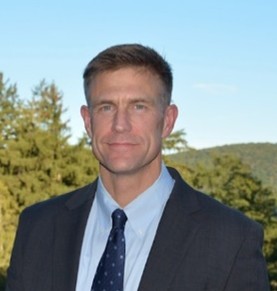
My assumption is that all great leaders are good economists, and in this venture, that's exactly what we're trying to prove using some of these interviews with some really talented folks. The question remains: how do we apply the framework and playbook described in Leadership Economics? In this episode, with retired Lieutenant Colonel Josh Richardson, a humble and curious, trustworthy warrior scholar who's also a great husband, a great father, a great friend, and one of the best teammates I've ever known, we engage in some of these questions. How much is too much? What is fair? How do you set up the rules of the game? What are the prices, the relative prices, the signals, and the incentives that you're setting up as you treat failure and also as you treat success? How do you shape the future that you wanna build for yourself, your team, and your organization? How do you create a culture? How do you elicit truth? How do you know when to stay the course or when to pivot? When should you have some tactical patience? Do you know the whole story? Do you have enough information to make that decision? And sometimes it's just a feeling. In this episode, we're bantering around the ideas and the mechanisms that are consistent in all of our lives about how we allocate the scarce resources and how we optimize in our own production functions. So join us in this one. It was a really rewarding conversation that we wanna continue. I don't think we'll ever run out of ways to apply the framework and playbook described in Leadership Economics Josh and I met, we all three really are Social Sciences man at the, in the hallways of the Social Sciences Department at West Point. And I don't know, I mean, obviously this is kind of patting ourselves on the back a little bit, but we, I feel like I snuck in, I know Josh feels like he snuck in. We've talked about this, but
- 02:14 Josh Richardson
Josh Richardson:
yes.
- 02:15 Spencer
Spencer:
Aaron came through the front doors. Josh, I mean, he's smart guy, but,
- 02:20 Aaron
Aaron:
Yeah. I don't know which door
- 02:21 Spencer
Spencer:
but,
- 02:22 Aaron
Aaron:
I, I certainly felt like, uh, lucky to be there.
- 02:25 Spencer
Spencer:
But I met Josh. When he came in, um, It was when he came in as a Downing Scholar, which is a tremendous program. to me, the first thing I noticed about Josh is that he was like tall, dark, and handsome, and wore the uniform right. everything about what I looked at, this soldier wore it right. And everything about him looked right. he's like 82nd Airborne, 75th Ranger Regiment, Jumpmaster, got the boots on looking just perfect. if you were going to,
- 02:53 Josh Richardson
Josh Richardson:
and then you gotta wonder what he's covering up for, wearing all that, that way. Whats below the surface we need to, learn more about?
- 02:59 Spencer
Spencer:
I just wanted to, I'm like this guy, first of all too. I was like on intramural squad, he's gonna be wonderful. Like, I don't know what he's done in his past, but,
- 03:08 Josh Richardson
Josh Richardson:
We had some fun
- 03:08 Spencer
Spencer:
if we throw a. If we throw a Frisbee up to this guy, he's gonna catch it. He looks like he can do it. so I was really excited, the first time I met you, but what a wonderful, person. We've become very close, Josh and I,
- 03:20 Josh Richardson
Josh Richardson:
Yes, we have.
- 03:21 Spencer
Spencer:
fighting out of the, you know, North Carolina, one of my favorite states, in this great country, and, um, become close to his family. his graduate degree outta Johns Hopkins, this International Economics and International Relations degree that he's gotta put economics first just 'cause I know he, Aaron, you gotta know, he's a little drunk on the Kool-Aid with us. He loved the idea of The Economic Leader when it first started and um, he has stayed in touch to get every version that has come out. And so he, for me, he is proof that this stuff works because he believes in our ideas. And I don't know someone more personally and professionally satisfied than Lieutenant Colonel retired. Josh Richardson. So Josh, we are blessed man to have you here today and, um, I'm just blessed to have you in my life. So
- 04:09 Josh Richardson
Josh Richardson:
hmm.
- 04:10 Spencer
Spencer:
that's a long way around an intro. Now, right now you, you're, you've been outta the Army, for a few years. I was honored to be at your retirement ceremony, got to host it and gotta say a few words to run it. Yeah, I'm, I.
- 04:20 Josh Richardson
Josh Richardson:
We were honored. Yeah.
- 04:22 Spencer
Spencer:
It was wonderful. but currently, dividing your time between two ventures here, Principal Consultant with DEKRA Strategic Consulting and um, also serves as Director, for Operations with the, General Wayne A Downing Scholarship Program. a nonprofit up at West Point. And it is a, again, I already mentioned it once.
- 04:41 Josh Richardson
Josh Richardson:
Hmm.
- 04:42 Spencer
Spencer:
man, we are, we're tremendously honored to have you here, So I'm gonna turn it over to you real quick, just some opening comments and then Aaron's gonna lead us in with some questions and we can talk about this man.
- 04:51 Josh Richardson
Josh Richardson:
Yeah. Yeah, absolutely. Spencer, thank you for that. And to, for both of you, for asking me to be on, I am a huge fan of this, of this endeavor, The Economic Leader, but also just a huge fan of both of you and your demonstrated leadership. coming from different areas, from the operational force in our Army and from academia, but, coming into a space that's really important. Thinking about hard things and things that are, things that, that really can make a difference in our world, no matter where you find yourself, working on trying to help make a team better or whatnot. just appreciate both of you and your families, and the opportunity to chat with you a little bit today around, around some of these principles. So, thanks.
- 05:34 Spencer
Spencer:
I'm gonna start with, Josh's life in North Carolina. I feel like we should start at the beginning.
- 05:39 Aaron
Aaron:
Oh, that sounds perfect.
- 05:40 Spencer
Spencer:
Well, I could tell you this, if you wanted an all star on your team I feel like Josh kind of fits that as well. Like, honestly, Aaron, I played on this intramural basketball team at West Point, for Social Sciences Department. I was a guy that would send in and get my fouls and, and get out, that'd take about four to five minutes. It was a hackathon. I'm about all a five foot nine and got a quarter inch vertical leap. But Josh kind of guy, you could, you could push the ball forward to him and on a breakaway and, and you might see a dunk and that's not something that happen much in intramurals at West Point. So I'm gonna start there, Josh, 'cause I know, like I'm all about trying to figure out information and, um, building teams like just a few. Those are two of the big ideas. But I know when you and I talked last, your life growing up in North Carolina, on the pickup basketball court,
- 06:26 Josh Richardson
Josh Richardson:
Yeah,
- 06:27 Spencer
Spencer:
I think is a great place to start. But you start where you think you start. We wanna know about how you got there, how you got to West Point.
- 06:33 Josh Richardson
Josh Richardson:
um, hyperbole aside about my ability to, to lead a break or dunk, guys, I have in the last few years reflected a lot about, some different experiences that led me into things and through things to, to where I am and honestly, I'm more curious now about the role that play in pickup basketball as a young kid. Played in that, than I definitely used to be. I spent a lot of my growing up time hunting a pickup game of basketball in my small town. I loved it. It's just the challenge and the thrill of, first of all, who's gonna be at the park. I mean you don't even know who's gonna show up that day. And then some days are better than others. Some days it's, it's hopping and then it's a matter of who am I gonna get paired up with and how are we going to figure out how to compliment one another well enough to win? and on the pickup court, surviving is winning 'cause you get to stay winners stay. as I think back to, to that, and just spending that much time doing that and learning how to read people and how to, you know, make my contribution matter I was rarely ever the best player on the court, but I could figure out a way to make my team better. I think that pulls through and plays through.
- 07:45 Spencer
Spencer:
Yeah, absolutely. Absolutely. winner. winner. got ups, Aaron. That's what we normally would say. winner. got ups. Yeah.
- 07:53 Aaron
Aaron:
well, I guess one of the questions that, as I was thinking through that story that you're just telling, you'd also mentioned that you felt like, basketball, pickup basketball in particular was a, was sort of like a market and um, where you needed to have coordination to decide who stayed on the court, right? So, uh, can you just walk us through a little bit more about what you learned about being a great role player, when you're not the best athlete in the gym?
- 08:16 Josh Richardson
Josh Richardson:
Yeah, I I'm just thinking out loud with you, and I don't have it all wrapped up tight, but you've got to learn quick. you've gotta size up your teammates, the, the folks that you gathered with. To go and try to survive. You gotta figure out who's gonna be a good shooter, who's got size, who's going to, who's gonna fill the gaps in, who's gonna do the score and who's gonna do the rebounding. some people can do it all. So it takes rapid coordination. You do the same thing about your opponent. You see how they're playing, who's going to often play man to man defense. So how are you gonna align your capabilities against the opponent as well? And then there's something in there too about, you know, our own motivations because we're playing a game we love. it's got its own unwritten rules. You call your own fouls in, in pick up basketball. So there's a whole nother bit there. it's got it's own
- 09:08 Spencer
Spencer:
Yeah.
- 09:08 Josh Richardson
Josh Richardson:
unwritten rules and norms and you also have to coordinate. Each one of you has to coordinate because at any time people could just walk away and it wouldn't be a game. And you want to have a game 'cause you wanna play. So you've got to figure out a way to get along a little bit enough to compete.
- 09:27 Aaron
Aaron:
I actually had this conversation with one of my other kids the other day, or just yesterday. 'cause he, he's nine, the other son is six and, my older son always wants to play certain games, but, uh, he's a lot better at them. And so he always wins. And so I have to tell him like, listen, you gotta let, you gotta let your younger brother win a few of the times. And I keep telling him, older brothers will always let their smaller brothers win about a third of the time so that they keep playing. And so in, in the same way, I just think like when you're trying to actually make sure that this is perpetuating, there has to be some natural coordination
- 09:55 Josh Richardson
Josh Richardson:
yeah,
- 09:56 Aaron
Aaron:
to keep people engaged. There's sort of like this longer run goal of actually just being able to play, not just winning.
- 10:00 Josh Richardson
Josh Richardson:
yeah. Yeah.
- 10:01 Aaron
Aaron:
I know there's sort of a tangent there, but I, I just love this idea of you have to have more than just the exact current game in mind. There's a longer vision there.
- 10:10 Spencer
Spencer:
Yeah. So in my.
- 10:12 Josh Richardson
Josh Richardson:
Yeah, and actually Jonathan Haidt comes on to this in his book, The Coddling of the American Mind, but he comes on to how important it is for, unstructured play. He actually connects unstructured play to the strength of a democracy. we gotta figure out how to get along, it's the kind of thing I think back on a lot.
- 10:28 Spencer
Spencer:
the development of information. I We always say perfect information clears the market. like when I see you on that pickup game, you, you're working to figure out who you are as a person. You are also trying to figure out who the other person thinks they are as a person. Then you're gonna interact with each other and perceive, you know, like, okay, he's a good guy. I'm gonna get that person on my team again. you know, build and trust this, you've done this in your life, so many iterations, but what happens, Aaron, is that this basketball dream kind of steps him up from this kind of team, you know, in North Carolina to West Point. like me, I think Josh, you didn't have in your head like, man, I'm gonna be in the Army. That was not me as a child. Like, I never thought I'd be in the Army. So this basketball leads him to, you know, one of the best teams you've ever been part of. And I in our US Army.
- 11:15 Josh Richardson
Josh Richardson:
Yeah,
- 11:16 Spencer
Spencer:
How did you get to West Point, man? Like why, how and why?
- 11:18 Josh Richardson
Josh Richardson:
no, I, you're right, Spencer, I, I, when I was a kid, a little too young to be, mindful that it wasn't gonna happen. I was gonna, my, my goal was to be a professional basketball player. That was what I was gonna be. And I said that for a long time, probably longer than I should have said it, but I played the game and I did the other, my parents made sure I was doing well in school and all the things. uh, when it came time to, you know, I was playing high school basketball and trying to get recruited, I got lightly, got some interest from. From the coaching staff at Army at West Point, as far as division one opportunities go. that was the only one that, that I was getting a sniff at. and I think in the back of my mind, I knew that the rest of West Point sounded challenging and interesting, and I wanted to play college basketball. So the game really did lead me to West Point. I wouldn't have, I wouldn't have picked up a West Point application if basketball hadn't been a part of the equation. Of course, it wasn't a whole equation, but if it hadn't been part of the equation,
- 12:13 Spencer
Spencer:
And it's, it's interesting to me how,
- 12:16 Josh Richardson
Josh Richardson:
I,
- 12:17 Spencer
Spencer:
what you didn't realize is how the pickup games would actually influence the rest of your life and, and make you successful, you know, and, uh, not only getting to know yourself better, but also. creating the ability to learn other people and get to know them better and actually make them better than they think they could be. And you graduated. Aaron, you should also know this is a very important piece of this. I probably should have said an intro is that Josh graduated, um, 2000 from West Point.
- 12:47 Josh Richardson
Josh Richardson:
That's right, yeah. 2000.
- 12:47 Spencer
Spencer:
So he's part of this class. And this is an interesting con because on September 11th, 2001 you just graduated, you're a year in the Army, and now we're off into combat for his whole career. I mean, like decades we're in combat. And, um, that class, those are special classes in my head. because they had just really walked into this thing. do you feel like you left if you had to say, Hey, Josh walking into West Point and Josh departing West Point, how was that dude different?
- 13:19 Josh Richardson
Josh Richardson:
Well, that's a, that's a great question. Because I walked into West Point in 1996, we were in the peace dividend coming outta the Cold War. Nobody was thinking about going back to war. our country was realizing the full breadth of its super powerness. and we just weren't thinking about what was gonna happen on September 11th or in large. We weren't. So I come in in 1996 and I leave in 2000. How am I different? Um, I am absolutely more mature, but not yet. And we can talk more about how I'm matured more. My transition, you know, and I'll, and I'll circle back on that in a second. So I was more prepared. The West Point experience, stretched me in great ways as it does uniquely, and made me, helped make me ready to deal with some of the stressors that I was gonna deal with operationally the years to come. And also personally as a family man, when you have to balance things, West Point, West Point, creates a pressure cooker for that kind of thing. So it helped make me ready for what was next. I'll, I'll put it this way. I needed to get outta West Point to fully realize that the Army was gonna be awesome and all the things that I was gonna get to go do, And I think it was a, it was almost binary as I graduated, I, I flipped a switch and said, Hey, alright, I'm gonna try some of these things. I'm going to challenge myself. I want to go to Ranger School. I was a Field Artillery Officer. Loved it. Did that, for the whole of my 23 years, that was my branch, uh, occupational specialty and I love that branch. it is a combat arms branch. It afforded me an opportunity to go to the United States Army Ranger School. Didn't have to, but I decided I wanted to. and then later on to try to just make sure that I was, meeting the next challenge. Uh, I didn't, I just to kind of round out this answer to that question, I, I was not the kinda cadet that was always, you know, looking for the next challenge. It was, for me, West Point was about survival. Class was hard. All the other things were hard. I was trying to play a sport. So it was about, I was learning a ton, but it was about getting that finish line. And once I got there, I was ready to try on some new challenges.
- 15:33 Aaron
Aaron:
I was gonna ask, you said that, West Point's challenges and sort of the pressure cooker environment there is good for preparing you. This is one of the things that, is very difficult to sort of put together, and how do we actually prepare people to become good leaders? There's a lot of these different? ideas that we just can teach them. Principles we can teach them, like concepts of leadership. but that experience is always what comes up, especially in the context of West Point. it is purposefully meant to be challenging. So what about those challenges? Is it specifically you think that helps prepare you cause they're gonna be different challenges, right? The kinds of challenges you face at West Point are gonna be different than what you face later on. And so I'm just curious how, what kind of muscles is that developing?
- 16:14 Josh Richardson
Josh Richardson:
Well, I, you know what be, because I'm also careful to say, I mean, West Point is, is a special place, but it's not the only way to get to become a effective leader, whether it's in the military or otherwise. So what I think West Point, my, one of my thoughts and answer to that question is West Point helped develop the muscle so that when I got out to the Army, I wasn't going to be overwhelmed in not being overwhelmed, I could survive. I wouldn't get completely defeated by the challenges. And the real thing that I think that develops a leader is time and experience.
- 16:49 Spencer
Spencer:
so,
- 16:50 Josh Richardson
Josh Richardson:
in so much as West Point prepared me to, to meet challenges and survive, it gave me the gift of having a, the chance to have some longevity and a career in the Army. And from longevity comes the, the opportunities you get the little pieces all along the way. The patience and the pace of things allows you to develop as a leader. So I don't think it was some kind of secret sauce coming outta West Point is now he's ready to be a good leader. It's more that he's not gonna fall completely on his face. So he might have a chance to learn how to be a good leader.
- 17:24 Spencer
Spencer:
I totally agree with that. what I didn't realize as my, just from my own entry into the Army was how good my family had prepared me. I, I don't know where you're at, Josh, but I, I was my Aaron my entry into West Point. And this is not just West Point. You're entry into things that seem more challenging. Like Aaron, you're entry into UVA for your PhD. you know, you don't know how good you are yet.
- 17:47 Josh Richardson
Josh Richardson:
Mm-hmm.
- 17:47 Spencer
Spencer:
You don't know where your weaknesses are, and this me and Aaron have been talking about Josh, just how do you elicit truth? How do you elicit truth? This idea between me and me, like how did you, I think if I were to take young Josh and put him into West Point to put him on that basketball team and put him into Ranger School, how did you feel entering out? Did you feel capable every time?
- 18:13 Josh Richardson
Josh Richardson:
No, I,, I did not. looking back, what I think is a healthy amount of apprehension. About am I gonna be able to do it? But you get, I think, with a couple reps of that, you learn that that's a good feeling to have. you don't run away from that, that feeling of, I'm not sure that I'm up to the task. I think what we want to develop in people is to feel that, connect with it. don't be, don't be so, you know, either high on yourself or disconnected with reality. To think that you're gonna hit it outta the park every time. A but B, don't be, um, don't you know, run from that feeling. Play through it. So I felt that Spencer, every step, still feel it, feel it right now, talking with y'all. I'll feel it later on today, talking with a bunch of leaders, at a plant. and the other thing I think about in listening to that question too, is. And I'm not a developmental psychologist, but I know a few, I don't think as 18, 22, 25 year olds we're not really programmed to reflect deeply on that. Some people are outstanding and they already grasp it, but we just kinda have to live and lead through those years to look back on it, to really contextualize, what those different experiences meant to us.
- 19:33 Spencer
Spencer:
We introduced allocation, information, motivation, and execution as the four big buckets
- 19:39 Josh Richardson
Josh Richardson:
Mm-hmm.
- 19:40 Spencer
Spencer:
scalably. I think about it in the organizational behavior sense, like individuals, like you got an individual, then you got. That's, you know, very introspective. And then I got me and another teammate where we both have introspection, we have reflective stuff going on, but we're also looking at each other's perspective of your actions. You know, so like there's some cha there's some exchange. And then you got like the big cultural, honestly, the Josh, the words I put together where, um, conscience in me,
- 20:08 Josh Richardson
Josh Richardson:
Mm-hmm.
- 20:09 Spencer
Spencer:
then my character that I'm exposing to the world, and then the culture for the team. three Cs, like stepping it up, my conscience, the character and then the, culture. when I think about it. It's in that, in those four buckets of allocation, information, motivation, execution, it's in that spot of information and and motivation where we're trying to figure out who we are as people.
- 20:31 Josh Richardson
Josh Richardson:
Yeah.
- 20:32 Spencer
Spencer:
I am totally with you, Aaron. You're still in the grind A little bit, I feel like. 'cause you got young kids at the house. Josh still got, but he's retired from one career already, and he's so right. I'm still searching too. This stuff's changing at all times, you know.
- 20:46 Aaron
Aaron:
Well, I guess on these lines, what. what I like to think about is also what you said, Josh, it's not so much that you learned everything you need to learn at West Point, it's that you learned how to just keep going. there, there's this value in being able to stick with it rather than hitting everything all at once. This big success, right? Like the true growth is coming over this longer term as, as, as is frequently cited to me. slow is smooth. Smooth is fast. But I think that there's some of these things that you learn over time about patience and being patient with your own growth trajectory, but also being patient with your relationship with your teams. Uh, I actually wanted to talk a little bit, if we could, about your idea of, the speed of trust.
- 21:28 Josh Richardson
Josh Richardson:
I think that we hear that phrase a lot. I'm not sure really sure. I know what it means. I think it's a positive thing. Trust is, but the speed of trust as a phrase, I think we might wanna get a little bit more curious about. I think it's about the pace of trust. and what I mean by that is to establish trust where initially there is none. You can't go fast, in my opinion.
- 21:53 Spencer
Spencer:
you
- 21:54 Josh Richardson
Josh Richardson:
have to get to know someone. you have to meet them where they are and they meet you where you are. there's an exchange, there's a, there's gains to be had on both sides of a relationship if we're being quite honest. And it's not selfish. It sounds selfish, but if we're gonna do something together on a team, everybody's gonna get a piece of the winning. but trust being that component that allows us to be efficient, and I've heard both of you say that a lot of times and I believe it. but as I think you know, what I mean by speed of trust is you gotta pace yourself up front, to establish trust.
- 22:31 Aaron
Aaron:
I, I guess the canonical version here is that you have like trust exercises or you have like trust retreats or something, but it doesn't quite develop like that I would think in the Army. and. there's, there's this timeline issue, right, where sometimes you need to have trust developed very quickly, if everybody's already totally on board with what they're doing as a unit or what their culture is, what their identity is. how do you think that that affects the ability people have to actually
- 22:57 Spencer
Spencer:
develop
- 22:57 Aaron
Aaron:
trust? for example, in the Ranger Regiment, right? Like there's a certain ethos that goes with this. How do you think that that plays into developing trust?
- 23:05 Spencer
Spencer:
I can tell you this, Aaron, I was in, um, you know, our unit helicopter unit supports the unit that Josh was in, the Ranger Regiment. And, um, my, one of my big bosses at the time had talked about a mission that was, uh, a really challenging night in, um, in Iraq. And it wasn't until way later that I realized that Josh was talking, he's telling a story. Remember you used to have these cabinet meetings in the, uh, in the, so, uh, or the vice, we call it Josh.
- 23:34 Josh Richardson
Josh Richardson:
Oh Yeah, yeah.
- 23:35 Spencer
Spencer:
Yeah,
- 23:36 Josh Richardson
Josh Richardson:
Yeah.
- 23:36 Spencer
Spencer:
we'd have the vice forum. So Aaron, you don't have any vices, but Josh and I have vices and, uh, he's, Aaron's one of the best, most disciplined people out there, but we used to hang out and, uh, and share, you know, a little sip at the, uh, at the end of the workday, uh, to build some comradery. He's telling a story, uh, about his experience in Ranger Regiment in Iraq and I was just like, oh my God, Josh was on that mission that I've heard so much about.
- 24:03 Josh Richardson
Josh Richardson:
so as a young officer, I had the, the ability to,assess into organization called the 75th Ranger Regiment. a a lot of my peers would have been just as capable as I in serving in that role that I was in. I was a Company Fire Support Officer in Bravo Company, 2nd Ranger Battalion. But, as fates and timing would have it, I had a chance to assess and I moved into that unit. so Aaron, maybe to some of the basis of your question about establishing trust in an Army unit, um, I don't know. I need to think on that. And I'll go away and I'll keep thinking on this with you guys, but that one is one where the, the organization is operating at such a high level that, there, is an inherent trust that exists inside that organization and it kinda was mine to lose trust or to break faith. And luckily, I, you know, I did not, uh, and you know, in any sort of bigger, obvious way, you're always, working your hardest and you got things you look back on that you could do better. But, in the space and time that I joined that unit, the war in Iraq was kicking off in 2003, and we went over and conducted, a series of, special operations task force, missions, that would be typical of that community as it was evolving at that time and, and in through today. and missions that I was very proud to be a part of the Jessica Lynch rescue was my first combat operation. later on after that, We grabbed a Palestinian terrorist called Abu Abbas, who had been wanted for decades from the hijack of the Achille Laurel. I was a part of that operation. later on in that deployment, as Spencer alluded to, we were part of a, of a mission that presented itself, in western Iraq we came by intelligence of a, relatively large terrorist camp that was down in a wadi, a depression, a geographical terrain feature, a depression. They had built a camp up in there and they were caching and weapons and they were training to conduct operations against coalition forces, small suicide operations against coalition forces as it in the intelligence developed. So we. We put together a package and we did a pretty audacious raid, had some really good effects against that, uh, that enemy force, those fighters that there were in position and ready to kill more American and coalition soldiers. you know, as I think about trust in that whole little bit, and then I'll let you guys come in. one story I like to tell, and this will be close to your heart, Spencer, is on one of the early raids that I was helping plan, we always, we would get the intel, we would, generally sleep during the day and operate all night. And we would get the intel as we were, as we were waking up late in what would be daylight hours. And then we would develop it and we would rehearse something and then we would go execute it in rapid fashion. And our rehearsals involved. Working, in person in a hangar with the best helicopter pilots in the Army, with the 160th. and I remember early on I was, as the company fire support officer, I was explaining how I wanted to use those assets. And I got a little too, uh, a little too specific, if you will. one of those pilots just kind of put his hand on my shoulder and he's like, listen, don't tell me how to fly my helicopter. I'll get there. I'll get there. You just tell me what you want to have happen and when you need it and we'll make it happen. And I had gotten, you know, unintentionally I'd gotten too specific about describing to him how to do his job. that's a little bit of a trust deficit and I didn't know I was doing it. those were, those were really formative experiences for me as a young leader.
- 27:54 Spencer
Spencer:
I wanna roll back to Antonio, 'cause you mentioned Antonio what I believe is that you're gonna explain a situation that is probably, the mechanisms are very close. The mechanisms, the situation may be totally different. I don't know. Antonio.
- 28:07 Josh Richardson
Josh Richardson:
so, I had a, I had a, a wonderful opportunity to mentor a cadet at West Point named Antonio, who had broken a rule, a big rule, a rule big enough to get him in in trouble. he needed a mentor to help him work through it. The rule that he had broken was that he got found sitting, sitting on a piece of furniture, a bed as it was, with a cadet of the opposite sex. Right? We got rules about that stuff.
- 28:32 Spencer
Spencer:
Yeah.
- 28:33 Josh Richardson
Josh Richardson:
he got his administrative punishment and part of that, part of his development was to work with me as a mentor. what I learned over the course of months of working with Antonio was that he had issues trusting, authority and more, more important than that, of course, he did. He came from a broken home. his parents kicked him outta the house when he was in high school. he went into a home for boys. This man, this cadet was extremely bright. Extremely bright. his class was not hard for him, but trusting was hard for him because he had never, he didn't have the upbringing that Josh Richardson had, which was nice middle class upbringing. You know, Christmas presents under the Christmas tree, we, we did fine. so when I got to West Point and somebody told me that, Hey, you need to trust the system, I could trust it.
- 29:28 Spencer
Spencer:
Yeah.
- 29:29 Josh Richardson
Josh Richardson:
Antonio had a harder time trusting the system and what I learned as a leader from working with him is, of course he did. And we need to, not, we need to, but it allows me to consider and make sure that I'm connecting with people that I have a chance to work with and understanding that we all bring different lived experiences to the table. And when we're talking about the speed of trust or the pace of trust, what might seem like a, a very clearable hurdle for Josh Richardson. Hey, trust the process, the system is made this way. You, it, it'll all work out in the end. It's not such a clearable hurdle for people that have different lived experiences. I don't know if that comes across as much, but that, Aaron, in your basic question about building trust, in my mind at least, it's almost like we've painted a little bit of a spectrum here. The Ranger Regiment is an excellent organization. and the story about mentoring Antonio is a completely different muscle movement and I find it even more compelling.
- 30:30 Spencer
Spencer:
I just wanna kind of connect these two in my head. When you walk into the Ranger Regiment or you walk into the Night Stalker land, there are monuments, memorials dedicated to the trust that is the culture you're entering, right? Josh didn't have monuments at his house, but that trust was available in the organization he came from, so he could expect it. Antonio walked into a place where there were monuments about trust, but he had never been trained into this. So the mechanism, Josh has said it many times to me that nothing goes good to great overnight. That, that thing's very fragile. If it goes good to great overnight, the trouble he has with speed of trust is the speed of it. He shows up every day. This is the 1%, you know, over time is gonna exponentially grow every day he is gonna do the right thing and then that's gonna become great and that takes time. I'll add one more quote that I heard in the golf industry, but it's really a pretty good quote. It's from Kevin Plank, who's the Under Armour founder. But he says, trust is built in drips and lost in buckets,
- 31:34 Josh Richardson
Josh Richardson:
Hmm. That's good, that's good.
- 31:35 Spencer
Spencer:
And that I will stop there. But I think the mechanisms are very similar. What do you think Aaron?
- 31:41 Aaron
Aaron:
Well, yeah, I guess that's sort of the rest of the story that I wanna know is what happens with Antonio. How do you actually help Him develop that trust in West Point and in this. organization. It's,
- 31:52 Josh Richardson
Josh Richardson:
Yeah.
- 31:52 Aaron
Aaron:
let me, the Army is very large and has a lot of sort of internal cultures and it can be difficult to navigate, and add on top of that, this issue of trusting that's gonna make it very difficult in the long run if it doesn't get resolved and he can't sort of integrate into, into that culture. And so I'm wondering, what did you see help Antonio grow into the grow, into trusting,
- 32:19 Josh Richardson
Josh Richardson:
it's an interesting story as it unfolds, I think the jury's out on whether or not I was helpful or whether or not the path. But the path is a good one. The path is what it is, and I think it'll, you'll both find it, provocative to think on. But what happened with Antonio is we had, like many mentor-mentee relationships. I feel like I got more out of it than he did. he got through that thing and he, it was off on his way, continuing to cadet and he went on a summer experience, to do, individual advanced academic things out on the West coast, in his engineering specialty. And, he got recruited away from West Point short story. he showed his. Worth to some folks that were looking for it. he hadn't affirmed yet at West Point. Those that know West Point know what I'm talking about. But he was still in a space in time where could leave the Academy and pursue other fields. And that's what he did guys. and Antonio and I have stayed in touch. He's got family now. as I think back to that, it's not. Better or worse that he stayed at West Point or that he didn't stay at West Point?of course I don't, I don't draw any, any conclusions based on that. He's on his own path. but I, I do wonder, I think it's, it's left to us to wonder that, we might agree that the, that the institution and the Army lost a good leader and how can, what can we learn from it? And I don't think anybody at West Point did anything patently wrong, but we should still wire brush ourself a little bit about how are we handling instances where you know, when we think about cadets that aren't quote unquote following the rules, what are they bringing to the table and what can we do to make sure they feel, part of the team. So that's the rest of the story. It's a good story.
- 34:02 Aaron
Aaron:
Actually, I love that. Not for the Army. Sounds like that was a loss. But, for Antonio, I think it takes a lot of courage to recognize that the current, path you're on isn't the right one. and being able to recognize that this is an important moment for making an adjustment. But,
- 34:20 Spencer
Spencer:
Yeah.
- 34:21 Aaron
Aaron:
and I think also, for West Point and the Army, as an institution, it is interesting to look inwards and, and think, well, maybe the way we've always done it should use a few adaptations. large institutions struggle to actually make those changes, I think without some, very concerted leadership. one of the things we talk about a lot is, how do you adjust to what the world's actually showing you? How do you adjust when you realize, uh, something's not quite exactly what you had hoped for? It's not taking you to the goal you're seeking. And like I said, it can be very difficult if you're very entrenched in a certain path, that's just not quite right for you. So I'm actually impressed.
- 34:58 Josh Richardson
Josh Richardson:
I wanna jump in on that if I can, because you're in a head space of mine. as a father, I worry about my daughters and you think about folks, so, yeah mean. Part of that, how do you adjust when, I forget exactly how you just said it, Aaron, but when, when things aren't going the way you expected 'em to, or it doesn't feel like you're in the right place, for me, a measure of that is you keep doing because you don't know yet. and I think that there's a danger in, so this is a tough, how do you, as a individual, how do you weigh this out? Because part of my philosophy is just be patient. Be where you're at. You know, be where your feet are planted. Do good today because you don't know the whole story yet. if your, if the rules are, are dumb or your boss is mean, don't, and I know this is not what you're saying, Aaron, but this is me talking.
- 35:54 Spencer
Spencer:
No.
- 35:55 Josh Richardson
Josh Richardson:
don't take that and then just redirect based off of it. because you don't know the whole story yet. and this is kind of gets into what we were, we've talked about before and shared about with, you know, around the concept of a, a free rider or many other concepts. We think we know, especially when we're younger, 18, 22, 25, we think we know it all, but we don't. So how do we tell that young person stay the course,
- 36:23 Spencer
Spencer:
Yeah.
- 36:23 Josh Richardson
Josh Richardson:
trust the system? Again, I own back to Antonio or Josh or Aaron or Spencer, trust the system because if you do that for long enough and work hard, you'll look back and realize you had no idea of the bigger picture. And it's a good thing you, you stuck it out because you've got all these opportunities. But, and then I'll hush and let you come back in. Aaron, to your point, sometimes there's a, we've, there's a time for you to, to pivot. So how do you know. When to stay the course or when to pivot.
- 36:55 Aaron
Aaron:
Yeah, this is, this is a big question. I mean, canonically, this is called the explore versus exploit. You know, you look at kids choosing their major in college. I mean, right now my, my daughter's, she just got on the seventh grade lacrosse team. She's doing piano, she does violin, she does chorus, and she even does dance. And it's like all this stuff. And, you know, we've been very open to her trying a lot of different things for a while. but it's one of those things where I don't like to do things poorly and I don't think she does either. so we we're a bit overloaded now. and it's time to start winnowing down. What are the things that are really important to you?
- 37:30 Josh Richardson
Josh Richardson:
Mm-hmm.
- 37:32 Aaron
Aaron:
and, and I see this, less at West Point because college majors at West Point need to be chosen a little, earlier, and they're hard to switch. But this is a problem in higher education too, where kids are switching their majors all up until their third year at college and where's the point at which you've explored enough and you have to actually go down a route. And what's fun about this problem is that there's actually no mathematical solution. I guess maybe that's not so fun for other people, but to me it's fascinating because, because it means that there's
- 38:00 Josh Richardson
Josh Richardson:
thinking, I was just thinking Aaron was like, there's no mathematical solution. Wait, there will be there. Yeah.
- 38:05 Aaron
Aaron:
now, well, so it's been proven to be, unsolvable is the fun thing. and the reason I say this, 'cause it means that there's some point, there's some part of us as humans that actually has to make this choice somehow. And there's not some ultimate function that tells you what that's going to be. and so at what point for me, the answer comes into this sort of, mental flexibility where you can maintain a couple of these paths. Simultaneously and, and just be patient with it. Like you said, be patient with it. You don't need to, you don't always have to decide right now and you can just slowly explore this and sit with it for a while and not let that ambiguity of what your future's gonna look like frighten you away
- 38:45 Josh Richardson
Josh Richardson:
Yeah.
- 38:45 Aaron
Aaron:
from making a good choice. So the, the answer to your question of like, how, you know, how do you make that choice? The answer is that there isn't an answer. it can't be solved,
- 38:53 Spencer
Spencer:
There's a, but there is a feeling. Did you hear him say it?
- 38:57 Aaron
Aaron:
yeah. Well, that's right. and I think that's what I mean is that there's something else in us that's able to actually, call it what you want, but this is sort of in my head, the definition of free will, where you get to choose, like
- 39:08 Josh Richardson
Josh Richardson:
Yeah.
- 39:09 Aaron
Aaron:
not some formula sitting in the background telling you it's time to jump ship, right? Like you have to actually make these choices yourself.
- 39:17 Spencer
Spencer:
And that, that right there, what you guys just went through, I feel like we're bringing the feeling back because there is an equilibrium and this is what Aaron and I have talked about and you just crushed it right here. And that this relative pricing mechanism, like I'm gonna tell you, "Night Stalkers Don't Quit" up until the point that I'm telling you that sending another light skinned helicopter into Mogadishu would be silly. Okay,
- 39:44 Josh Richardson
Josh Richardson:
Yeah.
- 39:44 Spencer
Spencer:
now we have to quit. So the dead ends matter. The failures matter because they inform how are we gonna make the next allocation resource or the next, allocation decision for some scarce resource. Right.
- 39:56 Josh Richardson
Josh Richardson:
Yeah.
- 39:56 Spencer
Spencer:
what we're saying is like, what we've talked about is that having some tactical patience, do you have enough perseverance to get to the right information? Do you know when this is the time to make a decision? that doesn't come lightly. That comes over years and years of failure. Years and years of success experience. I think going back to what, you know, what you believe in, that you don't go good to great overnight. so these relationships are built in an exchange of, I call it the currency of commitment, but we're all ultimately looking to win, right? It's a win-win. It's a survival mechanism. So, I mean that little piece right there, I think this is the common mechanism that I think works in economics. It works in dollars, it works in scarce resources that are very apparent, but it also works in relationships with each other. 'cause trust is a scarce resource and economics is about choice. Economics is about developing, or coordinating a win-win to make the pie bigger. the Senior Leader Development Program is what that thing's called. I did five of them in my six years. So I had five Antonios
- 41:06 Josh Richardson
Josh Richardson:
right
- 41:06 Spencer
Spencer:
in my six. but when you and I were there, when you were there, there was no second chance, like if you had a honor violation, you were generally kicked out. So do we believe that you deserve a second chance? Like some old grads, this is a West Point thing, but
- 41:22 Josh Richardson
Josh Richardson:
Mm-hmm
- 41:23 Spencer
Spencer:
it's a thing everywhere. How many chances do you get? Do you get a third chance? Do you get a fourth chance? Now? What have we done to the monument? What are our standards now that we've, so like here's the real beef in that choice,
- 41:35 Josh Richardson
Josh Richardson:
Mm-hmm
- 41:36 Spencer
Spencer:
and the free will that Aaron was talking about. It's like, well, where do we stop and say, no, that's too much. So how much has been the question for me, Aaron? You know, like how much?
- 41:46 Aaron
Aaron:
I, think the other part of this also, this comes back to a little bit of what Josh was saying about the free rider,
- 41:51 Spencer
Spencer:
Mm-hmm.
- 41:52 Aaron
Aaron:
the culture of an institution is very important for the motivation. we talk about motivation a lot in economics in terms of bonuses and financial motivation. But, but this whole idea is very different where people are motivated by a lot of different things. And so if you're trying to understand when is the point cut this sort of relationship, you know, there comes a point where you, you have to be able to identify whether or not they're ever going to be motivated to, to pursue the same objective as the team or something like that, right? so
- 42:23 Josh Richardson
Josh Richardson:
Mm-hmm
- 42:24 Aaron
Aaron:
that's, the next question for you, Josh, is, how do you tease out either their underlying motivations? how do you adapt it into the motivations of the, organization or what do you recognize that it's not a good fit?
- 42:36 Josh Richardson
Josh Richardson:
I think the answer to the how part of that is you You try to create systems where you can be in person you can be close and you can watch behavior over time and maybe you create parts of the environment You create barriers to staying in so when you break a rule at West Point you might get turned back six months You don't get to graduate with your classmates That might just weed you out If you're not worth being in the Army and you leave based on that then that's an appropriate incentive mechanism or if you do you go through the redevelopment and you do stay and you graduate later There are untold numbers of stories of folks that go out and are great leaders for our Army because of what that process put them through, I taught international relations but we taught a lesson that had a reading from Douglas North about the rules of the game And man it sticks we should expect actors to break the rules if the punishment is not um severe enough and you know when they do break the rules The environment has gotta create ways to to norm them back inside So in our example here about cadets that break the rules there's pain there's punishment that comes with it and the when they're designed to deal with that in a in a developmental way expecting players to break the rules of the game is important for leaders to understand Otherwise we get caught up in this idea Aaron's not doing like he's supposed to He doesn't really care about the team No Aaron is self interested and he cares about the team It's not or cares about the team but he's also going to try to win and in winning he's gonna push the boundary as far as he can to gain an advantage that is not bad
- 44:25 Spencer
Spencer:
and
- 44:26 Josh Richardson
Josh Richardson:
if rules of the game are orchestrated appropriately then we've got a system that's going to be efficient and clear and transparent to tell the example of of the 1982 Championship basketball game University of North Carolina versus the Georgetown Hoyas close near and dear to my heart
- 44:47 Spencer
Spencer:
Yeah.
- 44:49 Josh Richardson
Josh Richardson:
John Thompson told his center Patrick Ewing to gold tend every shot that was shot in the paint
- 44:56 Spencer
Spencer:
Yeah.
- 44:56 Josh Richardson
Josh Richardson:
basketball you know what that means There's a rule called goal tending and it if the ball's coming down and you block it then you then the basket counts But John Thompson had decided That the psychological impact of Patrick Ewing knocking those shots into the second row of the stands would mess with North Carolina's big men to the point where the benefits would outweigh the cost of breaking that rule I don't know how effective it was Carolina ended up winning a game on a last second shot by Michael Jordan but the point is the rules of the game the punishment for breaking that rule was not severe enough and that player and that coach were well within their rights to break that rule
- 45:39 Spencer
Spencer:
Yeah.
- 45:40 Josh Richardson
Josh Richardson:
the punishment
- 45:41 Spencer
Spencer:
no, no. what you're doing is you're giving up the, the possibility that the shot may be missed, right? So like when Ewing goes up there and knocks it away, he's saying, I'm giving you these points. But I believe, and you may have missed the shot. Now I've never been in a position to goal tend anything in my life, but I'm giving away the chance that you may have missed it, just to prove that I'm the big man in the middle and you haven't dealt with this yet, and that that really matters. I feel like that's,
- 46:07 Josh Richardson
Josh Richardson:
Yeah
- 46:07 Spencer
Spencer:
that's a choice that he's making and giving away that chance. But I'll go back to the how much, the rules that you're talking about. I'll go to Ranger School. If you go through Ranger School, you walk through the mountain phase, right? And then you fail at the end of that thing. What's the penance? You fail Ranger, you fail. mountain phase,
- 46:26 Josh Richardson
Josh Richardson:
Yeah
- 46:27 Spencer
Spencer:
you go get blueberry. You, there you go. So the question is how,
- 46:31 Josh Richardson
Josh Richardson:
Yeah
- 46:32 Spencer
Spencer:
how much did, if it would've said, Hey, you gotta go to back to day one. You gotta go back to Darby. You know what I mean?
- 46:39 Josh Richardson
Josh Richardson:
That's right
- 46:40 Spencer
Spencer:
Do you do that? Like the question becomes how much? And, um, for me. This is the pricing mechanism. As soon as I say, how much are you willing to give? Now we're testing. And it could be that the win-win is you vacating this, you don't fit. The, uh, Army or you don't fit the job that you're going to, and it may be a favor that you go do something else, right? But if you want this pathway, this is now, how high have we made the hurdle? If it is that we're gonna kick every kid out for the honor code and we don't give them a second chance, are we lacking tactical patience in ourself? 'cause these are young men and women
- 47:20 Josh Richardson
Josh Richardson:
Yeah
- 47:20 Spencer
Spencer:
have dedicated themselves, but maybe we should give them a second chance.
- 47:24 Josh Richardson
Josh Richardson:
Okay
- 47:25 Spencer
Spencer:
it's the pricing mechanism. I think, the commonality of it is the pricing mechanism that, Aaron we're searching for in every one of the decisions we make as organizations and the standard operating procedures we set in and, as individuals and the individual relationships we have and with our own selves, our identity. Like, are we accepting this kind of action for ourselves?
- 47:47 Josh Richardson
Josh Richardson:
Yeah
- 47:48 Spencer
Spencer:
I can't look in the mirror if I do that wrong. Anyway, that's kind of how I think about it.
- 47:52 Aaron
Aaron:
this, this is, again, one of those like classic conundrums. I don't, this is why it's fun to talk to actual leaders about this because mm-hmm. how much of the justice do you impose and how much of the mercy do you impose? And when, right? Like that's a problem of how do you actually convey to the team what matters? And as Spencer has said in the past, the more, the more you let the rules break, the more exceptions you make, then you no longer have a rule. And so there's this careful balance. And then if you make an exception for one person and not another person, then what sort of a signal does that send to the team as well? Right. So I think that,you know, as people are pushing on the rules or bending the rules, at what point do you actually, you know, the actual enforcement of those rules? And, I don't know that there's a perfect answer here, but this is where again, this sort of nebulous idea of leadership that we talk about, it comes into being able deal with this. And so what, what's sort of your take?We could, we could stick with the basketball example. Should we have had a stricter harsher penalty. Or we can come back to the Antonio example or other West Point cadets in your mind, what are some heuristics maybe that you use to balance these two issues?
- 49:00 Josh Richardson
Josh Richardson:
I mean I think we're we're probably best to come back into the Army and some things that I've talked with that I've been mentored on and I've mentored teammates around one of the things we think about is try not to make the same mistake twice if you have a teammate who is not maturing within the rules within the norms within the culture you have set for your team and there's sort of repeated same mistakes then it's probably time to help that person to another venture for the good of him or her and the good of your team
- 49:36 Aaron
Aaron:
Yeah, I like that. 'cause
- 49:37 Josh Richardson
Josh Richardson:
that's one thought that
- 49:38 Aaron
Aaron:
yeah,
- 49:38 Josh Richardson
Josh Richardson:
that's
- 49:39 Aaron
Aaron:
idea is that you're looking at the direction, not sort of exactly where they are, right. Is so if the same mistakes are coming up or if there's no, clear direction towards improvement. The other important thing here to me is that you keep coming back to time and like just being patient with some of the development of these things.
- 49:56 Josh Richardson
Josh Richardson:
Yeah
- 49:56 Aaron
Aaron:
it's the one thing that I think is lacking in a lot of, maybe today's, leadership culture. is that a lot of this just takes a bit of patience and being able to sit there for a minute and to observe carefully, like what direction are they heading in? is it going to affect the other teammates if we have some sort of an exception here, right? that's the leadership is being able to navigate that.
- 50:18 Josh Richardson
Josh Richardson:
Yeah And it's also hard for large organizations to do it right when you've scaled to where you don't have the ability to sit down with your fire team fire team leader ought to be able to do this
- 50:30 Spencer
Spencer:
Yeah.
- 50:31 Josh Richardson
Josh Richardson:
and then but as organizations scale at Echelon then that's where we need that's where we potentially find the need for standards because I don't have a chance to walk side by side with you every day So here are the standards and if you can't adhere to them then here are the repercussions kind of thing
- 50:50 Spencer
Spencer:
Yeah.
- 50:51 Josh Richardson
Josh Richardson:
so that I think there's a size issue You keep bringing up pace and I I keep bringing up pace and speed guys I'll share with you one of the things I struggle with the most right now is we're in an environment where we talk about you know the technology's moving fast and we talk about our ability to do things fast that I think should be done slow not to not go too big to come back down to where we are but the North Atlantic Treaty Organization is supposed to work slow That's the beauty of it International organizations are supposed to be cumbersome That's why they work Yet we get frustrated that they're slow and that's fine But as we move into and through this era where we have access to so much technology that helps us move fast and do fast and know fast I think that's intention with what we're talking about here with the need to to pace ourselves I don't have a solution for it there's a tension there that I think is uh is critical
- 51:51 Spencer
Spencer:
Yeah. and I think the solution is equilibrium and equilibriums are found not overnight, like you're saying. I mean, you have to be patient with some of these things unless there's a real outcome that, that could fail. you know, if you don't act fast, act now. So I want to kind of rotate into what you're doing currently. And it again, we jump pathways and I'm on, somebody told me a long time ago, it takes like seven. Seven failures. Aaron, six failures. Your seventh choice will be the right one. I don't know which one I'm on now, and I don't know if I'll ever find the right one since I retired. but I think you as a person, Josh, your awareness, first of all to collect good information, to be genuine and authentic, um, really matters. And I think your current position, from what I know of it kind of fits you very well in that, in the scale you're talking about, you're setting up the rules of the game I got a few buddies in the golf industry that says, I've never fired anybody. They say the standards fired them. and good leaders look inward first and say, maybe you didn't understand. if you're not maintaining the standards we have here, ultimately you may need to find a new position. And that person may be going through all kind of dissonance themselves. So
- 53:02 Josh Richardson
Josh Richardson:
Yeah
- 53:02 Spencer
Spencer:
talk to us, man. Your current job, you feel, like you found a good spot. How, what, how are you applying these to your current day life now?
- 53:09 Josh Richardson
Josh Richardson:
thanks for bringing that in first of all just I I've gotta share that I just am very blessed to have had the opportunity to search and blessed by just family and people that have surrounded me and and encouraged me to not jump on the first thing after I got outta the military So I was able and blessed by a mentor network that helped me think on things and what you know what I do today I do I split my time between two ventures and it took me about a year year and a half to get into this really two years and I'm full speed doing two things that I really feel purpose driven by one of them is I help direct the General Wayne A Downing Scholarship Program and the private investment that runs that I get to help employ and deploy that investment in ways that help develop future leaders for our country at the highest levels of national security and defense I'm an alumni of the program myself and you know we select up to eight army officers each year and send them away to top tier grad schools and while they're in those two years getting their master's degree we also afford them other opportunities They will have them come outta grad school go back to the Army lead tactical organizations but have them ready with this strong foundation for future senior leadership at the highest levels in and out of uniform We got alumni outside uniform doing great things for the nation So I get to do that Which is amazing opportunity And with the the other part of my time I I get to go out across America as it is right now I get to go into mills plants and factories and talk to leaders mid-level leaders some executives But right now honestly I spend most of my time with mid-level leaders which is honestly where my heart is these hardworking men and women that are going to the factory every day to produce a good what I get to do empowered by the company I work for DEKRA is I get to work with these folks about how to build a culture of excellence around safety because invariably they're dealing with heavy machinery that could take an arm off if they're not paying attention All kinds of hazards and things of that nature And safety in industry is not a new thing But the way that we go about with these leaders is extremely compelling And I do think it plays on some of my strengths and I'm getting better as I go because we get to talk to em about how to how do you create a culture around here uh at the plant where we're not gonna cut corners not gonna do it that way That's not the way we do because it's going to increase the chance that somebody doesn't get to go home at the end of their shift so it's a it's leadership training it's leader development around safety And I find it compelling for a number of reasons A it's important work but B I love connecting with this audience which is very much not the military and who invariably as we introduce ourselves and I talk about where I came from invariably show me a lot of respect for what I have done in uniform I get to never miss a beat turning around to them and saying well there's a whole lot of different ways to serve this country And you are serving this country as well
- 56:45 Spencer
Spencer:
Yeah.
- 56:45 Josh Richardson
Josh Richardson:
you don't have to put on a uniform to do it I like to do that with folks in the military to remind them that we tend to get thanked a whole lot and not to get stuck in that mindset and to always return that whenever somebody thanks me What I try to return that into them is that I feel very fortunate to have had the opportunity to serve and I it makes me extremely optimistic going out across the country in mills plants and factories and working with these leaders who are showing up for long shifts day after day keeping the plant running and making a product Um and to see leadership through a different lens So being able to do both of those split my time between both of those right now is a blessing
- 57:29 Spencer
Spencer:
Aaron you've used the word, canonical a few times and I just looked it up, recently here, but Josh, it's like from Canon, right? I was like the rules, right? Nothing says I care more than I want you to go home to your family safely tonight. I think it's a genuine concern. Now, what's pulling against that? What's the equilibrium that's pulling against that? Is the middle manager pushing for efficiency?
- 57:55 Josh Richardson
Josh Richardson:
Making more product
- 57:56 Aaron
Aaron:
Yeah, speed.
- 57:58 Spencer
Spencer:
That's right, so this, this equilibrium and what you may find, and this is the really nice thing about it when we open with uh slow is smooth and smooth is fast, is that if you show genuine care. Because in the construction world, Aaron and I are gonna talk to a PhD in construction management here
- 58:16 Josh Richardson
Josh Richardson:
yeah
- 58:17 Spencer
Spencer:
one of our guests. And what I have realized in the construction world is that your resume is your reputation. So if you're not doing this right, then it's gonna affect your profits. So this thing is pulling in a lot of the right directions and everything we talked about till this point is a display of signals of trust and genuine care that develops a new outcome that can benefit everybody, creates a win-win. So it does not surprise me, Aaron, that this is where Josh has found himself, enforcing standards on behalf of the people that are putting themselves at risk and also profiting the larger organization. He's talked about scale a few times, so this all makes total sense to me.
- 59:01 Aaron
Aaron:
what I love is just as we go through these different stories these examples or these experiences, you can see how how much leadership is involved in, in piecing together all these different competing interests. When people are concerned about the efficiency and the speed, it seems that what's more effective is starting with, I just actually want you to be safe to go home. and we're not gonna compromise that for anything else. That seems to set a different tone than, uh, okay, here's some rules. You know, everybody's gotta follow them, but let's hurry up. Right? It's like actually establishing that the culture here is that we genuinely care about, the people on our team. So, before we let you go, Josh, it's been, it's been great to just talk with you a little bit more.
- 59:43 Josh Richardson
Josh Richardson:
Yeah
- 59:44 Aaron
Aaron:
a lot of the people that are listening to this are going to be, young leaders maybe in the Army or elsewhere, or people who are aspiring to be leaders. And I think what would be nice is if you, you know, what would be the last p piece of advice, the one thing you'd say that they should just start doing tomorrow that would actually make a difference in the long run, as you've talked about. it doesn't happen overnight. It just takes, the right direction. So, what would be something your number one thing for somebody to pick up and move with tomorrow?
- 1:00:12 Josh Richardson
Josh Richardson:
Thanks Aaron and Spencer it's been a lot of fun and to your question what I would leave Somebody with is my philosophy as you guys know and I'll share it briefly here is that great is just good over time Um and what that means is that if you wanna be great which most people that we hang out with do and I love that then all you gotta do is be good today And good though to check that good is your best effort It's your hardest work but it's doable good is where you learn you're working hard enough but you're you is a measure of trust in good that over time It's going to be worth it So that leader to your questionnaire in whatever industry or walk of life that they're in they know what it takes to give their best effort so my advice to them would be to hear that and not try not go for like short term great cause short term great and we've all been you know I've been guilty of it before Short term great is where it involves shortcuts It involves the idea that I have to be great today So I've got to be I gotta be so focused on being great that I shut out my teammates I'm not learning from Aaron or Spencer and I'm I'm taking risks It's short term great is dangerous and the opportunity cost of thinking that you have to be great today is that you don't learn you cause you're so busy trying to be great The blinders are on That that you're not learning So slow down be good today Give your best effort be a good teammate listen give some empathy up If you think your boss is outta line well you might not know the whole picture Be patient Be a good teammate to your peers listen to your subordinatesand give them some runway to do their own thing and take it at a measured pace Because what happens is if you do that number one you learn that's where you learn And uh and you actually develop a habit It becomes a habit to be good because you don't let yourself down The other thing is when you try for short term great and you don't achieve it you get disappointed in yourself and you get crestfallen and you and you start to question everything but when you set your goal as I'm gonna be good today you realize you can and you that becomes a habit and it feels good selfish again You as me as a selfish person I you like achieving goals Okay I said I was gonna do this and I did it the other outcome of this habit is that you turn around one day and you're great People think you're great and all you were was good today
- 1:02:53 Spencer
Spencer:
Yeah,
- 1:02:53 Josh Richardson
Josh Richardson:
and tomorrow So that's the advice I would give
- 1:02:57 Spencer
Spencer:
yeah.
- 1:02:57 Aaron
Aaron:
I love it
- 1:02:57 Spencer
Spencer:
That's awesome, man. Aaron, I wanna thank, uh, I hope they listen to this, Josh's family who I got to know real well. not only the family back in North Carolina, it's a great parachute, and Josh gave him the right credit. giving you the patience to, get in the right spot. But also his four young daughters, they're more courageous than most people I've ever met in my life. my heart goes out to those four girls. Josh, you've done it right, brother.
- 1:03:23 Josh Richardson
Josh Richardson:
They're a good team. It's quite a squad
- 1:03:24 Spencer
Spencer:
you have done it right, straight, not straightened. That's what I told Aaron about you. You're like, Marcus Aurelius to me straight, not straightened.
- 1:03:32 Josh Richardson
Josh Richardson:
You
- 1:03:33 Spencer
Spencer:
um, yeah,
- 1:03:34 Josh Richardson
Josh Richardson:
you always make things way too grand but I appreciate you
- 1:03:37 Aaron
Aaron:
it. works though, doesn't it?
- 1:03:39 Spencer
Spencer:
there's plenty of people we can interview, but I know. True, genuine care. and that's found. in Josh Richardson. So thank you brother
- 1:03:47 Josh Richardson
Josh Richardson:
Yeah. And I can't let you say, without thanking Susan as well, my bride, she's my rock, an amazing, amazing example to all of us. and family, the impact family has had on me.
- 1:04:00 Spencer
Spencer:
Yeah.
- 1:04:00 Josh Richardson
Josh Richardson:
Shannon going back over the years
- 1:04:03 Spencer
Spencer:
Yes,
- 1:04:03 Josh Richardson
Josh Richardson:
and the girls you mentioned and Susan today, I, I've never done anything of consequence on my own and, uh, I've just been very blessed.